Billion-Dollar Blunder: Ohio Ditches Data Center Tax Break
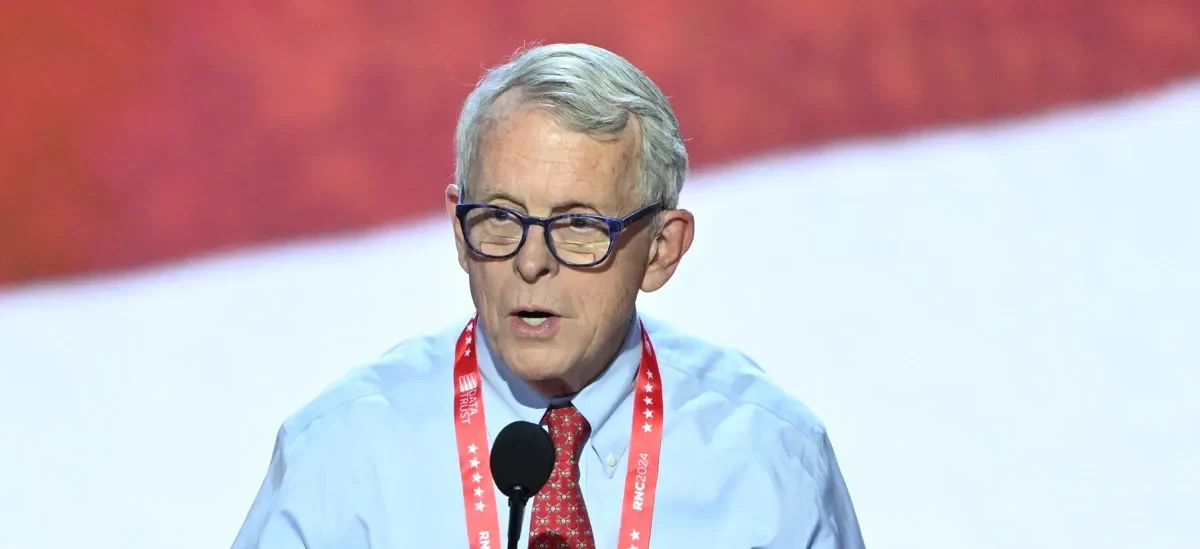
Ohio Republican Gov. Mike DeWine announced he’s putting the brakes on a tax break for data centers after a forecasting error blew the exemption’s cost by over $1 billion. This stunning mistake has left lawmakers scrambling to reassess the deal.
The Ohio Department of Taxation initially projected the tax break would cost around $1.2 billion over five years. However, a reevaluation revealed the actual cost would be a staggering $2.2 billion – a whopping 83% increase. This drastic discrepancy raises serious questions about how such a massive miscalculation occurred and who’s accountable for it.
The data center tax break was intended to attract major tech companies to Ohio, creating jobs and stimulating local economies. However, it seems the deal has been derailed by the error. What this means: the state will have to come up with an extra $1 billion to cover the shortfall, which could be a hard pill to swallow, especially with budget constraints in place.
Why Forecasts Go Wrong
The Ohio Department of Taxation’s forecasting blunder isn’t an isolated incident. Mistakes like this often happen when complex systems and variables are involved. In this case, the department likely relied on algorithms and statistical models to predict the tax break’s cost. However, these models can be flawed if they don’t account for all relevant factors or if the data used is outdated or incorrect.
While the exact cause of the error is still unclear, it’s evident that such mistakes can have far-reaching consequences. In the wake of this debacle, state officials will need to re-examine their forecasting methods to prevent similar errors in the future.
AI’s Role in Forecasting
The incident highlights the importance of accurate forecasting, especially in the context of AI-driven decision-making. As AI becomes increasingly integral to public policy, its limitations and potential pitfalls must be acknowledged. In this case, the Ohio Department of Taxation’s reliance on AI-powered forecasting models led to a catastrophic mistake. What this means: policymakers and analysts must be aware of the potential risks and biases associated with AI-driven forecasting and take steps to mitigate them.