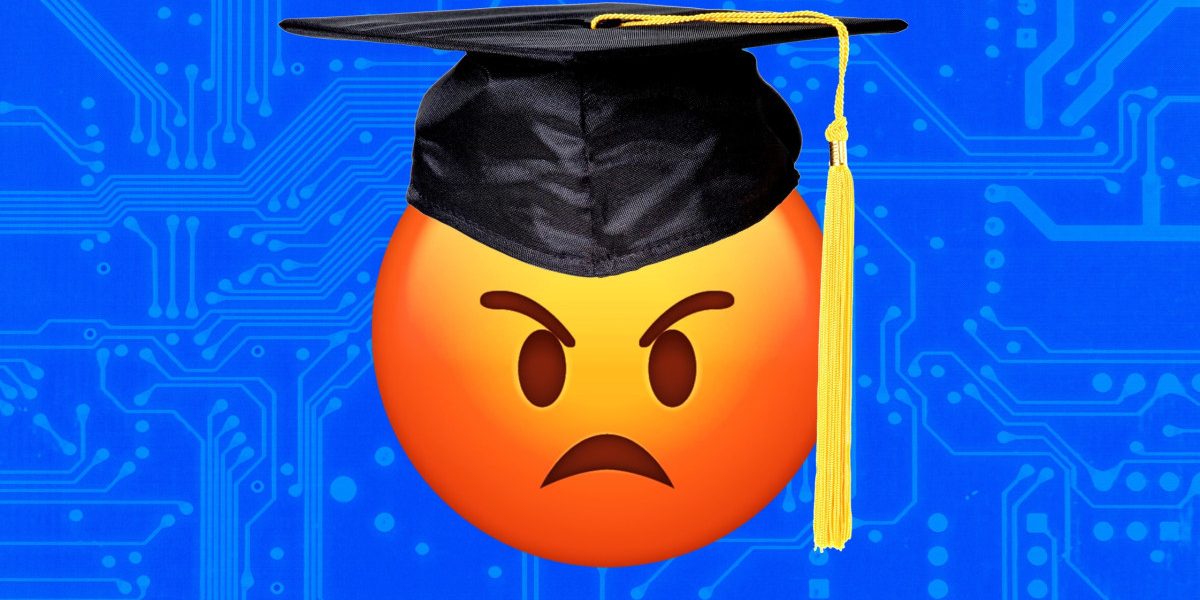
A generation of students is increasingly expressing disdain for the omnipresent AI tools that have been integrated into their educational experiences.
**AI-powered learning systems face backlash from students**
As companies scramble to infuse AI into every corner of the economy, a vocal subset of college students is pushing back against the trend. They’re doing so with a mix of frustration, disappointment, and downright hostility. The phenomenon is playing out on social media, in online forums, and even during commencement ceremonies, where some graduates have been booing the presence of AI-powered speakers.
At the recent University of California, Berkeley commencement, speakers touted the benefits of AI in education, but the audience wasn’t having it. The boos were directed at **Melissa Littenberg**, a speaker from the company **SRI International**, which has developed AI-powered learning tools.
**What sparked the backlash?**
The growing unease stems from the perception that AI is being thrust upon students without their consent or input. Many believe that AI-powered tools are being used to replace human instructors, automate tedious tasks, and erode critical thinking skills. The tools, while touted as innovative and efficient, are seen as cold, impersonal, and lacking in empathy.
Take, for example, **Proctorio**, an AI-powered platform that uses facial recognition and algorithmic analysis to monitor students during online exams. Critics argue that the tool infringes on students’ right to learn without surveillance.
**A warning sign for AI adoption**
The student backlash serves as a warning sign for companies looking to integrate AI into various industries. If AI is seen as an imposition, a threat to human interaction, or a hindrance to learning, it’s unlikely to gain widespread acceptance. As AI continues to permeate every aspect of our lives, its developers and adopters will need to address these concerns head-on.
The message to AI developers and adopters is clear: prioritize human-centered design and inclusive decision-making. Otherwise, the boos will only get louder.