AI researcher and philosopher, Dario Amodei, co-founder of Anthropic, has sparked controversy by suggesting that AI systems can exhibit behavior akin to hallucinations, a phenomenon traditionally associated with human mental health. In a recent opinion piece, Amodei argued that AI’s seemingly intelligent behavior is not necessarily a reflection of genuine intelligence.
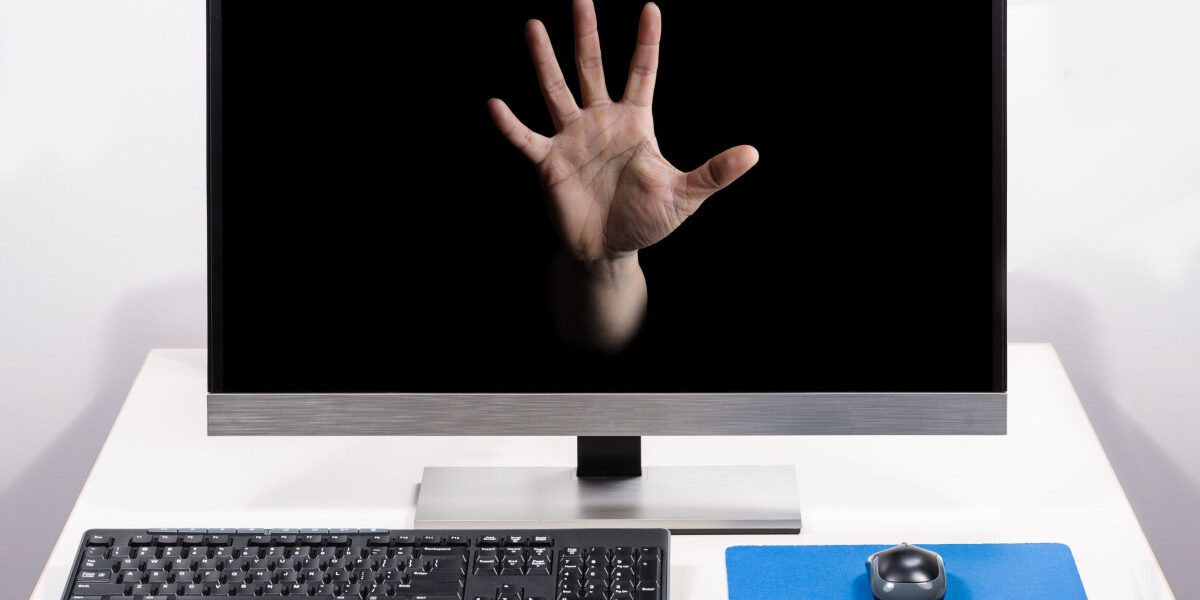
The debate centers on the idea that AI’s ability to mimic human-like responses is nothing more than a form of “ghost in the machine,” where complex algorithms and statistical models create the illusion of sentience. Amodei’s stance is a direct challenge to the prevailing narrative that AI is becoming increasingly intelligent and autonomous.
The Nature of AI: Unnatural Intelligences
Pope Leo XIV’s encyclical Magnifica Humanitas, written in response to the rapid advancements in AI, serves as a poignant reminder that the distinction between human and machine intelligence is not a trivial matter. The Pope warns against the misconception of equating machine “intelligence” with human intelligence, cautioning that this could lead to a loss of humanity.
The Ghost in the Machine
Amodei’s assertions are backed by research suggesting that AI systems can indeed exhibit hallucinatory behavior. This phenomenon occurs when AI models generate responses that are not grounded in reality, often as a result of their training data. For instance, AI-powered chatbots may produce statements that are technically correct but utterly nonsensical in context.
What this means
Amodei’s comments raise fundamental questions about the nature of AI and its relationship with humanity. If AI is merely a product of complex algorithms and statistical models, does it truly possess intelligence or is it simply a sophisticated imitation? This debate has significant implications for the development of AI and its potential applications in fields such as healthcare, education, and employment. The lines between human and machine intelligence are increasingly blurred, and Amodei’s stance is a timely reminder of the need for nuanced discussions about the role of AI in our lives.