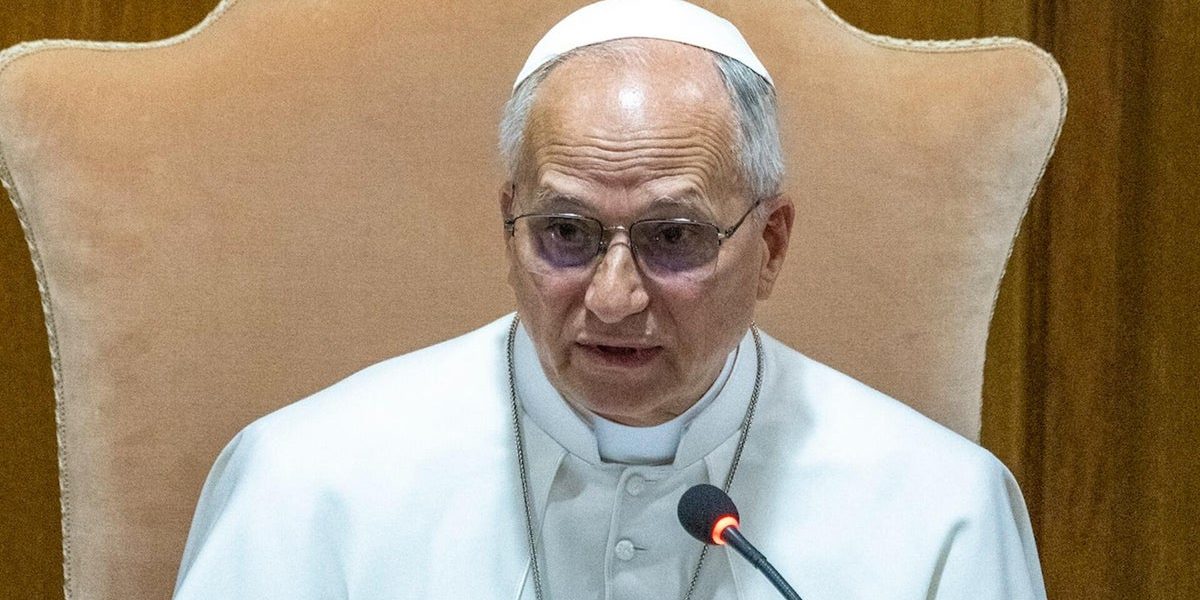
<Pope Leo XIV's scathing words about AI sent shockwaves through the tech industry this week, as the pontiff issued an unprecedented warning about the dangers of artificial intelligence in his inaugural encyclical.
A Historic Warning
Issued just days into his papacy, the encyclical marks a significant departure from the Vatican’s typically cautious stance on emerging technologies. Pope Leo XIV, who took office earlier this month, has long been an outspoken advocate for responsible innovation and human dignity.
The encyclical, titled ‘Artificium et Humanitas,’ warns that unchecked AI development poses a significant threat to our shared humanity. “We risk creating a world where men and women are mere cogs in a machine, their autonomy and agency diminished by the relentless march of technological progress,” the Pope cautioned.
Tech Industry Reactions
Reactions from the tech industry have been swift and varied, with some hailing the Pope’s words as a much-needed wake-up call, while others have criticized his stance as alarmist and unscientific.
“This is a wake-up call for all of us in the tech industry,” said **Dr. Rachel Kim**, a leading AI ethicist. “The Pope is right to highlight the potential risks of AI, and it’s time for us to take a step back and consider the unintended consequences of our creations.”
However, not everyone is convinced. “This is just a bunch of armchair philosophizing from a man who doesn’t know the first thing about AI,” said **Andrew Chen**, a prominent tech entrepreneur. “We need to focus on solving real-world problems, not getting bogged down in abstract moralizing.”
What this means
The Pope’s words carry significant weight, and it’s likely that his encyclical will have a lasting impact on the global conversation around AI ethics. As the tech industry grapples with the implications of this warning, one thing is clear: it’s time for a more nuanced discussion about the role of AI in our lives.
In practical terms, this means that tech companies will need to take a harder look at their AI development processes and prioritize transparency, accountability, and human values. As the Pope so eloquently put it, “We must not sacrifice our humanity on the altar of technological progress.”