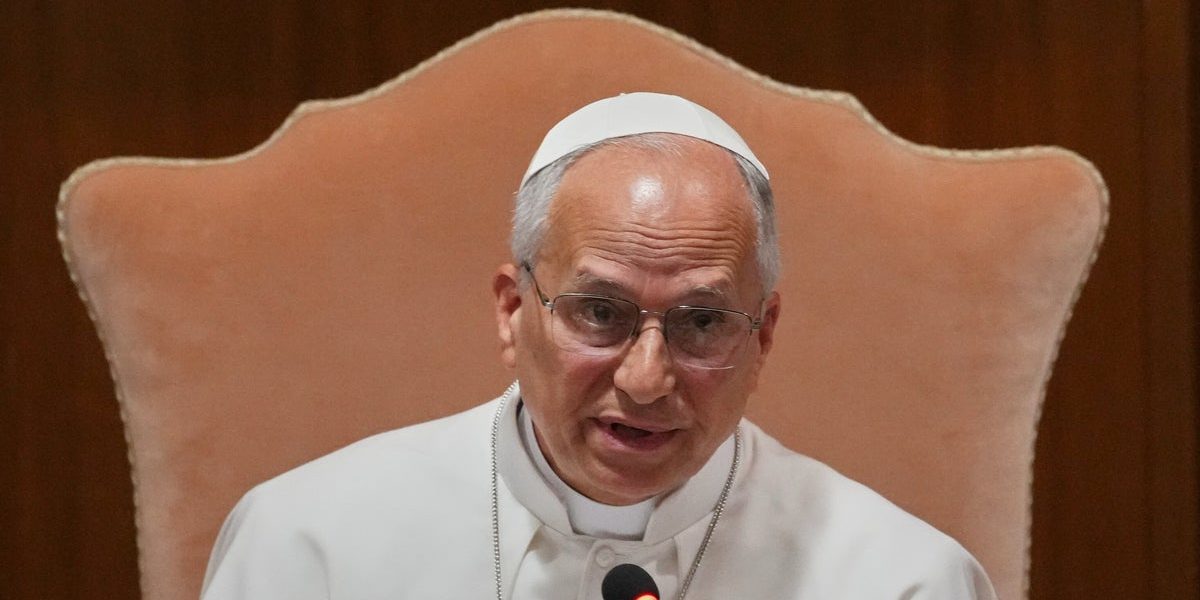
Pope Leo XIV Issues Historic Apology for Vatican’s Role in Legitimizing Slavery
The Vatican has been forced to confront a painful chapter in its history, with Pope Leo XIV making a long-overdue apology for the Catholic Church’s complicity in the transatlantic slave trade.
Monday’s statement marked a significant step towards healing the wounds of the past, with the Pope acknowledging the Vatican’s role in legitimizing slavery and failing to condemn it for centuries. The move is a stark reminder that even the most powerful institutions can perpetuate harm and that confronting this legacy is crucial to healing.
The Vatican’s record on slavery has been a source of controversy for decades, with many accusing the Church of turning a blind eye to the brutal treatment of millions of enslaved people. The Church’s involvement in the slave trade was not limited to passive acceptance – it actively legitimized the practice through its teachings and practices.
The Pope’s apology was met with a mixture of relief and skepticism from historians and activists, who have long called for the Vatican to take responsibility for its role in the slave trade. While the apology is a significant step, it also raises questions about what concrete actions the Church will take to rectify its past wrongs.
The Vatican has faced criticism in the past for its handling of clergy abuse scandals, and some have questioned whether the apology is enough to address the Church’s broader complicity in historical injustices. Others have welcomed the move as a significant step towards healing and reconciliation.
What this means for you:
The Pope’s apology is a significant step towards acknowledging the Vatican’s role in legitimizing slavery. While it may not change the past, it sets a precedent for how powerful institutions can take responsibility for their actions and work towards healing and reconciliation. It also serves as a reminder that confronting uncomfortable truths is essential to building a more just and equitable society.