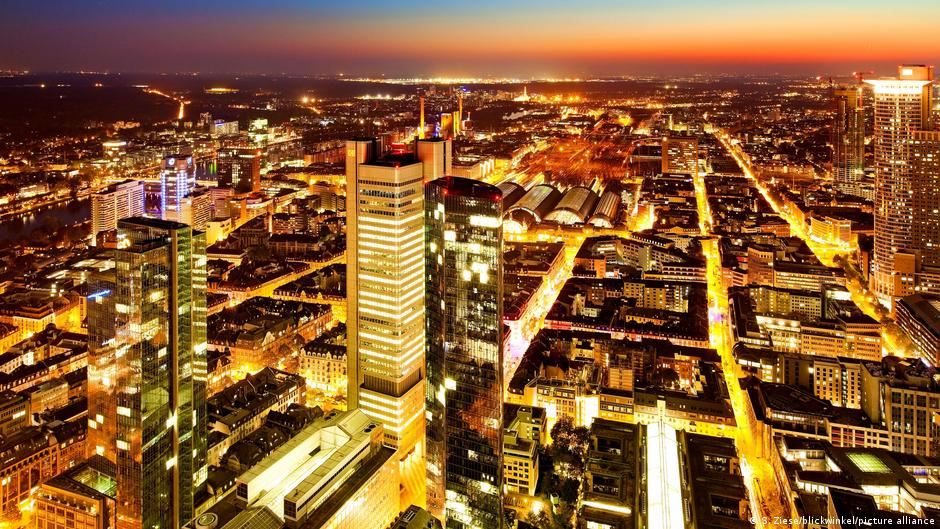
Artificial lights in cities are becoming so bright that they’re blinding people to the natural night sky, causing real harm to human health and the environment.
The International Dark-Sky Association estimates that 80% of the world’s population can’t see the Milky Way due to light pollution. This isn’t just an aesthetic issue – it’s also affecting our sleep patterns, vitamin D production, and stress levels.
What’s the source of the problem?
It’s not just the streetlights outside your home that are the issue; it’s the sheer number of artificial lights in cities, including building lights, billboards, and even phone screens.
**LED lights are the main culprit**. While they’re energy-efficient, LEDs are often designed to shine brighter and last longer, contributing to the problem. Additionally, many cities prioritize energy savings over visual impact, leading to an overabundance of bright lights.
How can cities address the issue?
Some cities are taking steps to reduce light pollution by implementing “smart” lighting systems that dim or change color based on the time of day.
Others, like Paris, are replacing traditional streetlights with LED fixtures that are specifically designed to emit less light upwards, reducing glare and light pollution. These “dark-sky friendly” LEDs can still save energy and provide the same amount of light as traditional fixtures.
**Cities can also adopt stricter light pollution regulations**. For example, the city of Flagstaff, Arizona, has implemented a comprehensive lighting ordinance that requires buildings and businesses to use specific light fixtures and follow guidelines for minimizing light pollution.
What this means: While it’s not possible to completely eliminate light pollution, cities can take steps to reduce the negative impact of artificial lights on human health and the environment. By implementing smart lighting systems and adopting stricter regulations, cities can create a healthier, more sustainable urban environment.