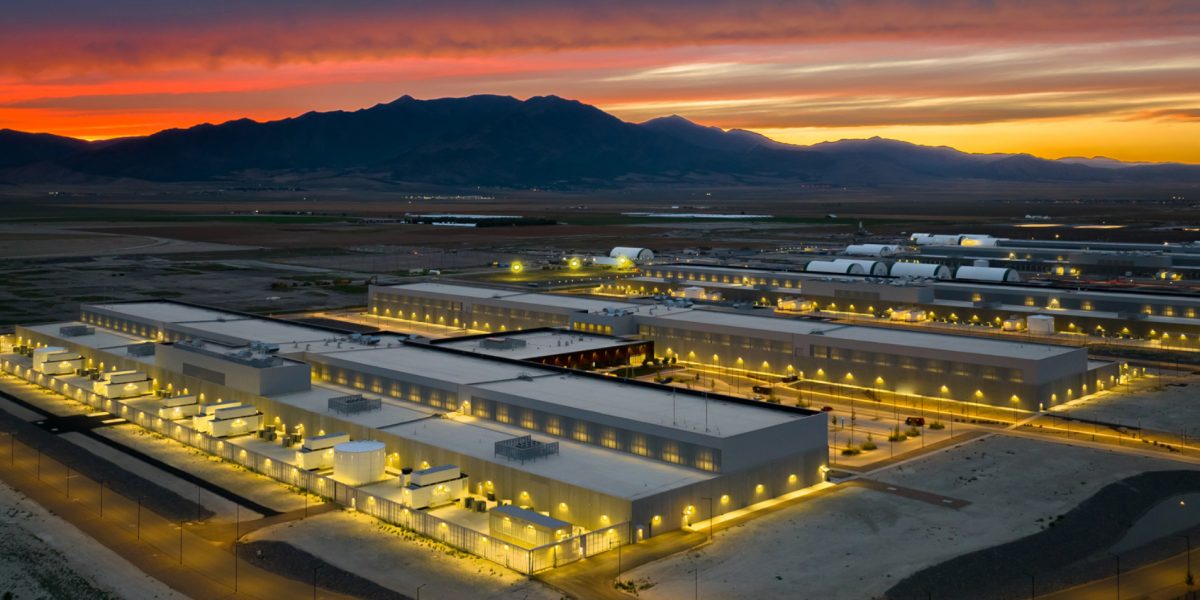
As massive data centers sprout up across the US to serve the insatiable hunger of artificial intelligence, opposition to both AI and the enormous energy demands of these future data centers is growing.
AI’s Dark Side Begins to Reveal Itself
Concerns about AI’s potential risks, from job displacement to biases in decision-making, have been simmering in the background for years. But it’s only now, as more people realize the scale of AI’s impact, that the conversation is escalating into open resistance.
Google’s plan to build a 1-gigawatt data center in Oregon to support its AI ambitions has been met with fierce opposition from local environmental and social justice groups. And it’s not just Google – Amazon, Microsoft, and Meta are all building massive data centers across the US, each one consuming enough energy to power tens of thousands of homes.
These aren’t just tech companies; these are the giants that are shaping the future of our world. And as they push the boundaries of what’s possible with AI, they’re also pushing the boundaries of what’s acceptable in terms of energy consumption and environmental impact.
The Data Center Dilemma
Data centers are the unsung heroes of the digital age, quietly storing and processing the data that powers everything from social media to autonomous cars. But as AI demands more and more computing power, the energy required to keep these data centers running is growing exponentially.
The irony is that while AI is meant to make our lives easier and more efficient, it’s actually driving a surge in energy consumption that’s putting a strain on local grids and contributing to climate change.
The numbers are staggering: a single data center can consume up to 100 megawatts of power, enough to power a small town. And as the number of data centers grows, so does their collective carbon footprint.
What This Means
For the opposition to AI to grow into a full-fledged movement, it needs to be driven by more than just concern – it needs to be driven by concrete action. This means demanding that tech companies take responsibility for their energy consumption and carbon emissions, and pushing for stricter regulations on data center development.
It’s time for the conversation about AI to shift from the abstract to the tangible, from debates about ethics and morality to discussions about energy efficiency and environmental impact. As AI continues to shape our world, it’s up to us to ensure that the future we’re building is sustainable, equitable, and just for all.