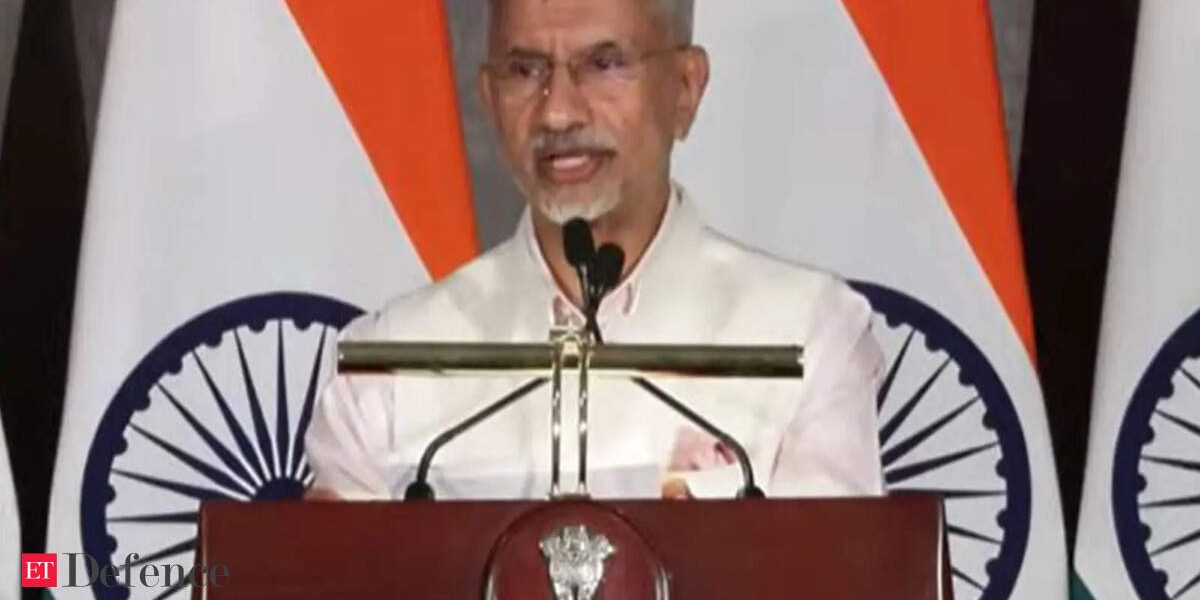
As part of a broader push to strengthen military partnerships worldwide, India and the United States are doubling down on their defense ties – with a key focus on bolstering ‘Make in India’ initiatives.
Jaishankar Outlines ‘Make in India’ Focus
Indian External Affairs Minister S. Jaishankar emphasized the importance of domestic manufacturing in his country’s defense sector, stating that the ‘Make in India’ priorities will remain central to the next phase of defense cooperation with the US.
This emphasis on domestic production is likely a response to India’s growing defense needs and its ambitions as a major player in regional security. With a focus on ‘Make in India’ and evolving battlefield requirements, the two nations aim to develop a stronger and more sustainable defense partnership.
Cooperation Expands Beyond Defense
Beyond defense, discussions between the two countries covered topics such as energy, civil nuclear cooperation, and counter-terrorism – highlighting the increasingly intertwined nature of their strategic relationships.
The US has been a key partner for India in the energy sector, particularly in the area of nuclear power. The two nations have been working together on civil nuclear cooperation, including the sale of US-built nuclear reactors to India.
Practical Implications for India’s Defense
What this means for India’s defense sector is a commitment to bolstering its domestic manufacturing capabilities, enabling the country to meet its growing defense needs without relying as heavily on imports.
This focus on ‘Make in India’ will require significant investment in India’s defense industry, as well as the development of a robust ecosystem that supports private sector participation and innovation. As India looks to enhance its military capabilities and become a major player in regional security, the success of these initiatives will be closely watched.
The deepening defense ties between India and the US also underscore the shifting dynamics of the Indo-Pacific region, where great powers are increasingly competing for influence and military partnerships are becoming a key component of their strategies.