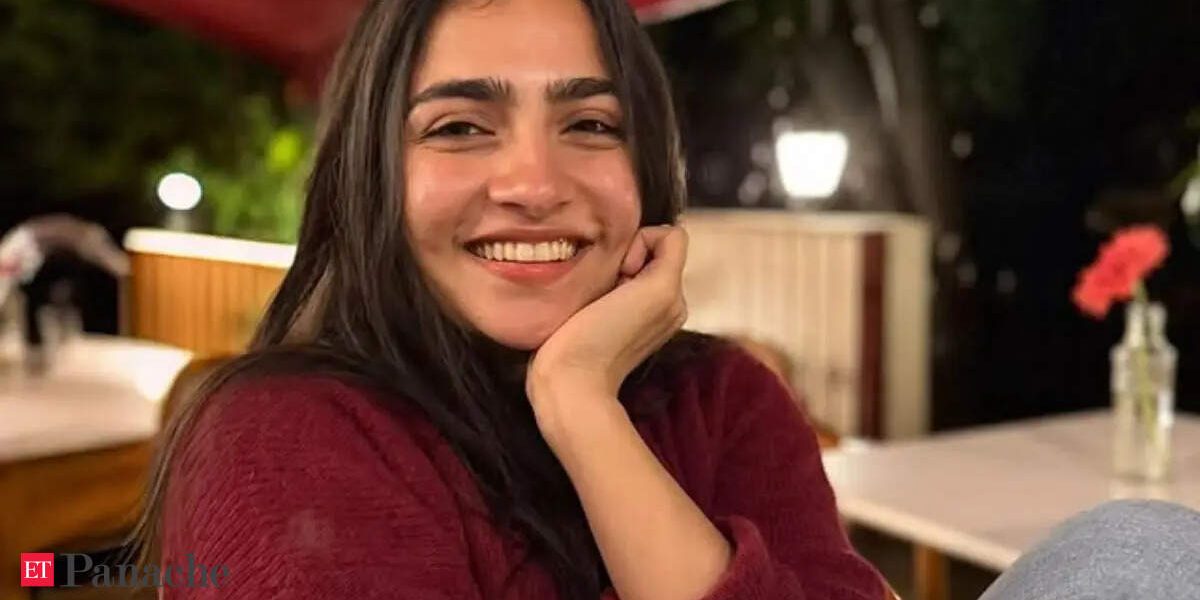
AI-generated pictures pretending to show Indian actress Rukmini Vasanth in a bikini went viral on social media, sparking a heated controversy.
The Deepfake Frenzy
Rukmini Vasanth, known for her role in the hit film Kantara: Chapter 1, has spoken out against the fake images, calling them “entirely fake and fabricated”. These AI-generated visuals, which have been widely shared online, have caused her significant distress and worry.
The Dark Side of AI
Unfortunately, Vasanth’s experience is not an isolated incident. AI-generated deepfakes have become increasingly common, often used for malicious purposes such as impersonation, harassment, or financial scams. The technology’s ease of use and accessibility make it a double-edged sword – while it has many beneficial applications, it can also be misused in ways that harm innocent individuals.
A Warning to the Public
Vasanth’s warning to the public is clear: be cautious of images and videos online, especially if they seem too good (or bad) to be true. With the rise of AI-generated content, it’s becoming increasingly difficult to distinguish between reality and fabrication. Vasanth urges people to verify information before sharing it and to be mindful of the potential consequences of spreading fake news.
What this means is that you should be vigilant when encountering AI-generated content online. If an image or video seems suspicious, don’t share it. Instead, fact-check and verify the information before spreading it further. Your share can help prevent the spread of misinformation and protect individuals from harm.
This incident serves as a stark reminder of the need for responsible AI development and use. It’s essential to acknowledge the potential risks associated with AI-generated content and take steps to mitigate them. By doing so, we can ensure that this technology benefits society while minimizing its negative impacts.