**Standard Chartered’s AI Job Cuts Under Fire from Regulators**
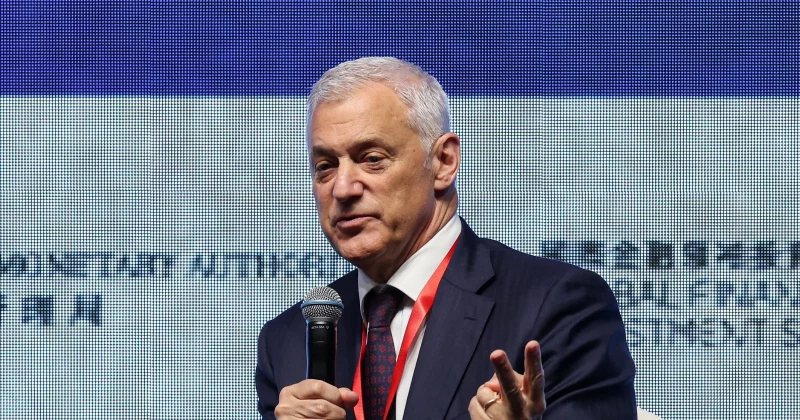
Regulators in Hong Kong and Singapore are scrutinizing Standard Chartered’s plan to replace over 7,000 jobs with AI by 2030, following comments from CEO Bill Winters that these roles represent “lower-value human capital.”
Winters made the remark while discussing the bank’s operational strategy, which aims to streamline processes and improve efficiency using artificial intelligence. However, the comment has sparked concerns from local authorities, who are questioning whether the bank is taking a disproportionate hit on its workforce.
Standard Chartered plans to rely increasingly on AI to handle tasks such as data analysis and customer service, freeing up human employees to focus on more complex and creative work. But regulators are worried that the bank’s approach may be overly reliant on automation, potentially leaving vulnerable workers without employment opportunities.
**AI and the Future of Work**
Standard Chartered’s strategy is part of a broader trend in the financial industry, where AI is being used to improve efficiency and reduce costs. However, the implications of this shift are far-reaching, and regulators are right to be concerned about the impact on workers.
What this means is that companies like Standard Chartered will need to develop more nuanced strategies for implementing AI, one that balances the benefits of automation with the need to support workers who are displaced by technology. This may involve retraining programs, social support services, and a commitment to fair and transparent decision-making processes.
**Regulatory Scrutiny and Accountability**
The regulatory scrutiny of Standard Chartered’s AI job cuts is a welcome development, as it highlights the need for companies to be accountable for the impact of their decisions on workers and communities. By questioning the bank’s plans, regulators are pushing companies to think more critically about the role of AI in the workforce and to develop strategies that prioritize both efficiency and fairness.
**A Complex Challenge Ahead**
The use of AI in the workforce is a complex challenge that requires careful consideration and planning. While companies like Standard Chartered may see benefits in terms of cost savings and improved efficiency, regulators and policymakers must ensure that workers are not unfairly disadvantaged by the shift to automation. By working together, we can create a future where technology benefits both businesses and society.