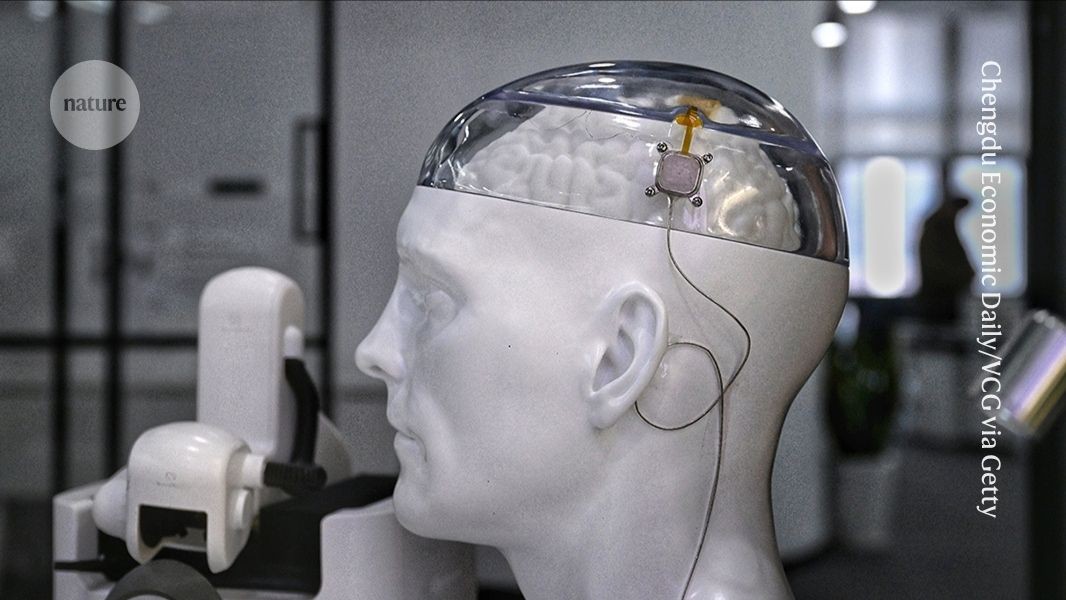
Chinese brain-computer interface startup NeuroXess has just cleared a major hurdle in its development of AI-driven implants that can restore mobility and speech in patients with severe paralysis.
NeuroXess Leads the Charge
After years of clinical trials, NeuroXess is shifting its focus from lab experiments to real-world applications. This move reflects the increasingly competitive landscape in the field of brain-computer interfaces (BCIs), where Chinese start-ups are vying to develop cutting-edge algorithms that can revolutionize the way we interact with technology.
NeuroXess’s proprietary AI-powered implant, called the NeuroCore, uses machine learning algorithms to decode brain signals and enable patients to communicate and interact with their environment. In a series of clinical trials, the NeuroCore has demonstrated remarkable success in restoring motor function and speech in participants with severe paralysis, including those with conditions such as amyotrophic lateral sclerosis (ALS).
Competition Heats Up
NeuroXess is not the only Chinese company pushing the boundaries of BCI technology. Other start-ups, such as Shanghai-based BrainGate, are also racing to develop and deploy AI-powered implants that can restore mobility and speech in patients with severe paralysis.
These efforts are being driven by China’s ambitious plans to become a global leader in AI research and development. The Chinese government has pledged significant funding and resources to support the growth of the BCI industry, with a focus on developing applications that can improve healthcare outcomes and enhance the quality of life for patients with neurological disorders.
What this means
The development of AI-powered brain implants like the NeuroCore has the potential to transform the lives of millions of people worldwide who are living with severe paralysis. As these technologies become more widely available, we can expect to see significant breakthroughs in the field of neurorehabilitation and a major shift in the way we treat neurological disorders.