
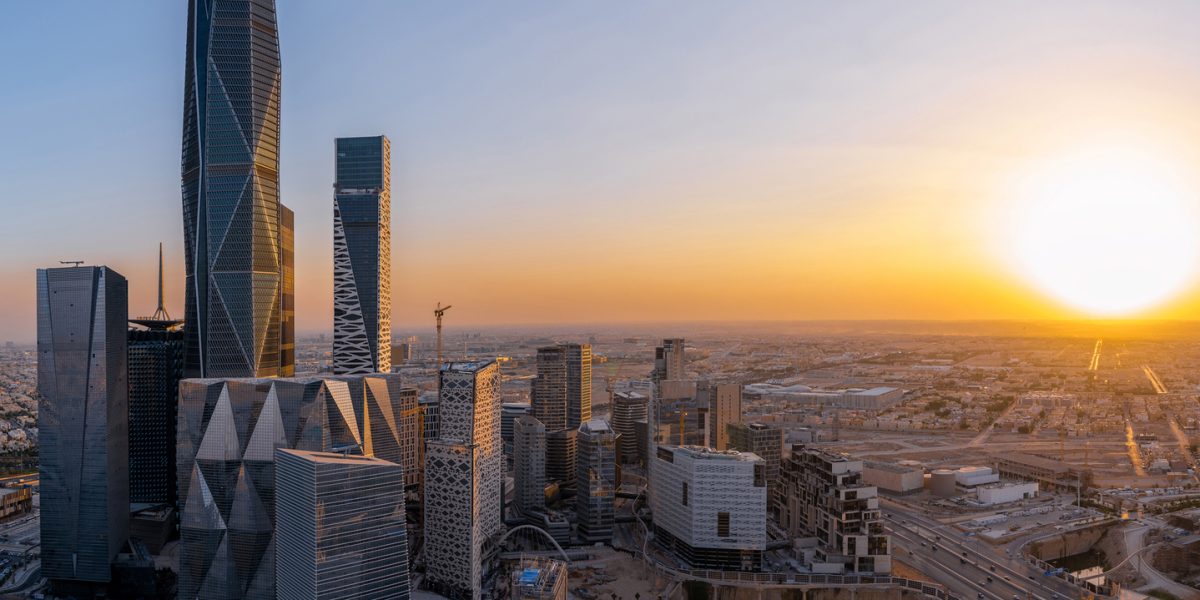
Air-Conditioned Oasis or Environmental Nightmare?
Architects like the late Norman Foster have long touted glass towers as a symbol of modernity and innovation, but at what cost? In cities like Dubai and Riyadh, these structures seem to defy the scorching desert climate, but they’re also a stark reminder of the region’s water and energy consumption.
The PIF Tower in Riyadh, Saudi Arabia, is a prime example. Designed by OMA, the tower’s sleek glass façade appears to be a seamless fusion of desert and city. However, this visual trickery hides a more complex reality. Air conditioning systems in buildings like the PIF Tower use massive amounts of energy to maintain a comfortable indoor temperature, often relying on non-renewable sources.
The Global vs Local Conundrum
Gulf Modernism, a architectural movement that emerged in the 1950s and 60s, sought to create a distinct regional identity through the use of modern materials and forms. However, as international architectural firms like Foster + Partners and OMA dominate the desert skyline, critics argue that this movement has lost touch with its local context. The result is a homogenized, globalized architecture that prioritizes image over climate.
The implications are far-reaching. As the Gulf region continues to invest heavily in large-scale infrastructure projects, the environmental impact of air-conditioned glass towers will only continue to grow. This raises important questions about the role of architecture in shaping our relationship with the environment, particularly in regions where water is already a scarce resource.
What this means
The proliferation of glass towers in the Gulf region is a symptom of a larger issue: the mismatch between global architectural trends and local environmental realities. As the world becomes increasingly aware of the need for sustainable design, architects, policymakers, and developers must work together to create buildings that not only showcase their global credentials but also respect the unique climate and cultural context of the region.