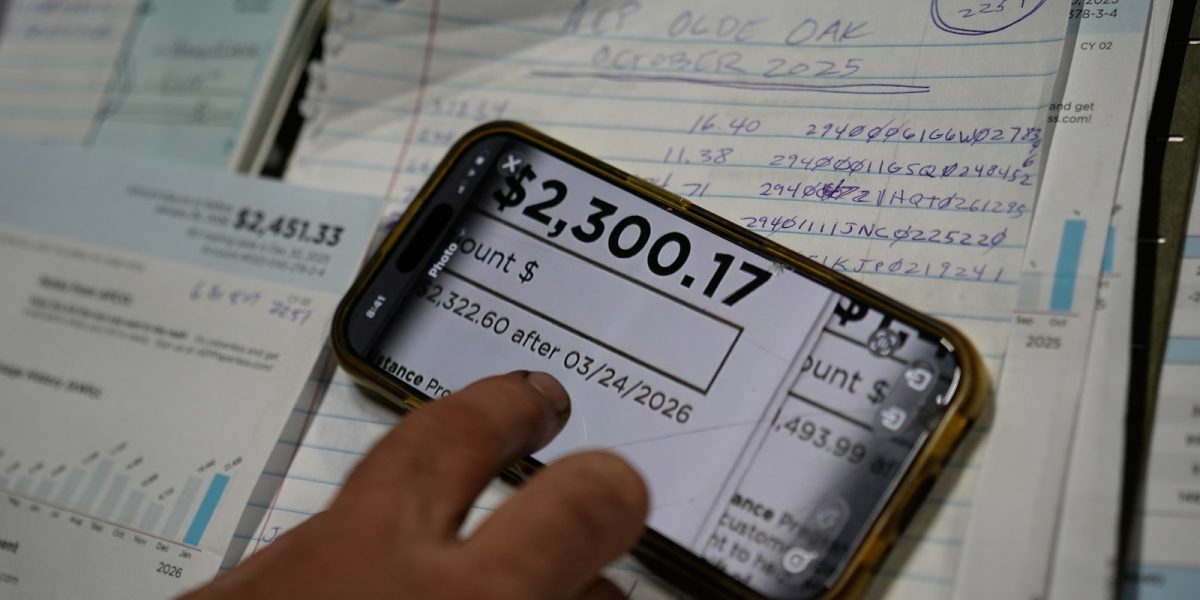
AI Boom Sparks Fights Over Utility Profits as Electricity Bills Soar
As AI adoption accelerates in industries like healthcare and finance, some states in the US are grappling with a surprising consequence: rising electricity bills. The artificial intelligence boom is creating unprecedented demand for energy, driving up costs for households and businesses alike.
The Profits of AI-Powered Utilities
Major utility companies are reaping the benefits of this trend, as their profits soar to unprecedented heights. For example, Exelon Corporation, a leading utility company in the US, reported a 14% increase in revenue in 2023, largely driven by the growing demand for electricity from AI-powered data centers. Similar trends are being observed in other states, with utility companies raking in huge profits amidst the AI boom.
States Push Back Against Rising Electricity Bills
In response to these rising costs, governors, attorneys general, and consumer advocacy groups are sounding the alarm. They argue that the profits of utility companies are not being adequately passed on to consumers, who are bearing the brunt of the increased energy costs. The state of Pennsylvania, for instance, has seen a significant increase in electricity bills, with the average household paying around 15% more than the national average.
In an effort to address these concerns, some states are pushing for stricter regulations on utility companies. These proposals aim to ensure that a larger share of the increased profits is invested in grid infrastructure and energy efficiency initiatives, rather than being funneled into shareholder pockets. Consumer advocacy groups are also calling for greater transparency in utility company finances, arguing that the lack of transparency has contributed to the issue.
What this means for consumers
As the AI boom continues to shape the energy landscape, consumers can expect to see their electricity bills rise further. However, by pushing for stricter regulations and greater transparency, states can help mitigate the impact on households and businesses. Ultimately, this will require a delicate balance between allowing utility companies to reap the benefits of the AI boom while ensuring that consumers are not disproportionately burdened by rising energy costs.