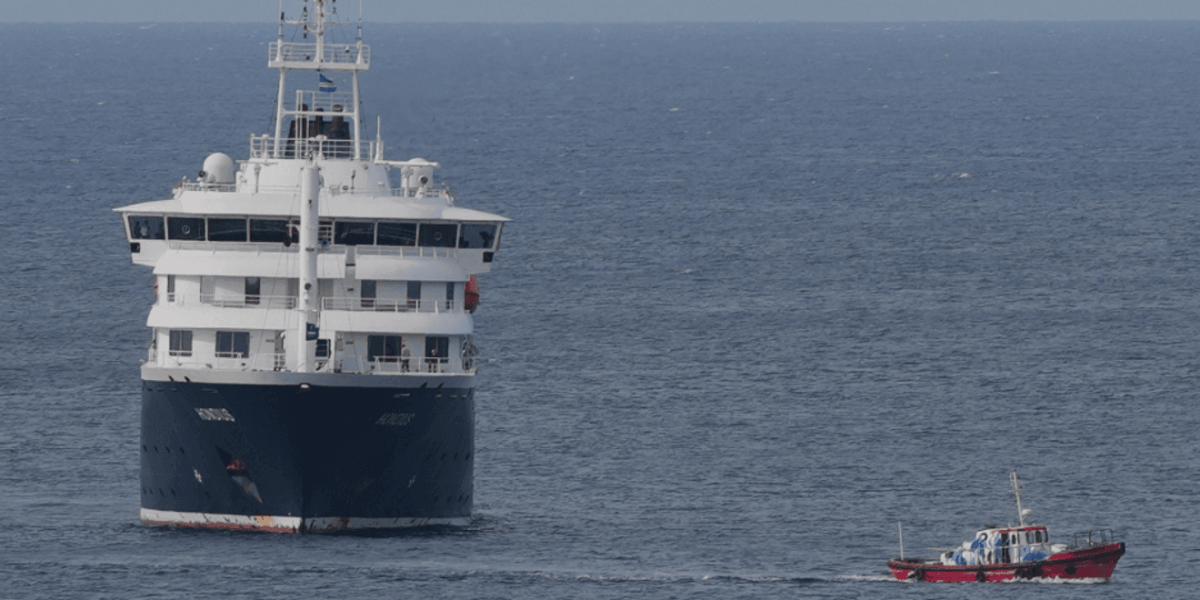
A fourth King County resident has been identified as a potential carrier of the Andes type of hantavirus, sparking concerns about a potential outbreak linked to the MV Hondius cruise ship. The latest case comes on the heels of three earlier reported incidents.
According to Public Health – Seattle & King County, the individual was likely exposed to the virus while in contact with a previously known case. This new development underlines the importance of vigilance in tracking the spread of this rare but potentially deadly disease.
Tracking the Source of the Outbreak
The MV Hondius, a cruise ship that visited Seattle in late March, has been identified as the common denominator among the four cases. The ship carried over 400 passengers and crew during its port of call, which has raised concerns about potential widespread exposure.
Health officials are urging anyone who was on board the MV Hondius during its Seattle visit to remain vigilant and seek medical attention if they experience any symptoms, which can include fever, headache, and muscle aches, among others.
Risk Assessment and Next Steps
The risk of transmission from an infected individual to others is relatively low, according to Public Health – Seattle & King County. However, the agency is taking a proactive approach to monitor the situation and prevent any potential outbreak.
The four individuals under observation are all showing mild symptoms and receiving treatment, which has further reduced the risk of transmission to others. Health officials emphasize that the situation is under control, but they are taking a cautious approach to ensure public safety.
With the MV Hondius having departed Seattle several weeks ago, the primary focus now is on tracking any potential secondary cases and ensuring that those who were exposed to the virus receive the necessary medical attention.
Prevention and Awareness
As the investigation into the outbreak continues, Public Health – Seattle & King County is urging the public to remain vigilant and take steps to prevent exposure to hantavirus, which is primarily transmitted through contact with infected rodents or their urine and droppings.
The agency recommends taking precautions when handling materials that may be contaminated with rodent urine or feces, such as cleaning up mouse droppings thoroughly and avoiding contact with wild rodents.
The Andes type of hantavirus is a rare but serious disease that can cause severe respiratory illness. While the risk of transmission is low, health officials emphasize the importance of prompt medical attention if symptoms develop.