Trump Aims to Reset War Powers Clock with Controversial Bid to Bypass Congress
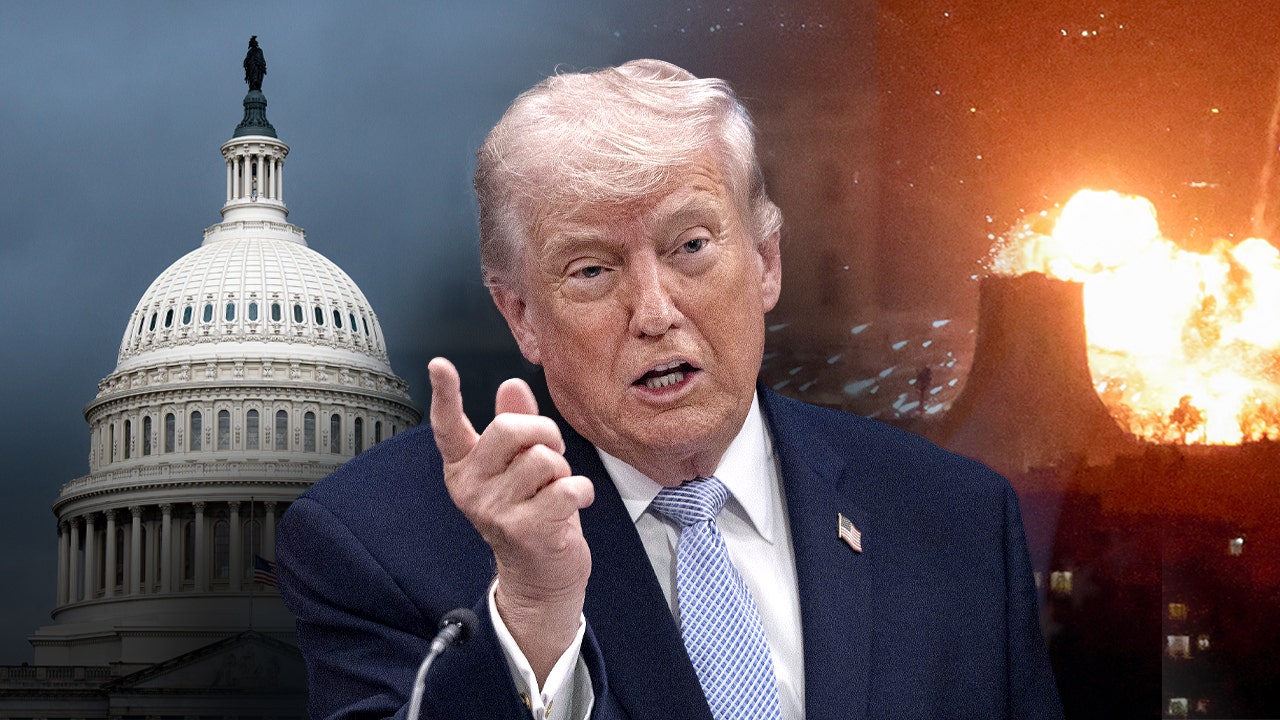
President Donald Trump has informed Congress that a ceasefire with Iran has ended hostilities and reset the clock on congressional war powers limits. However, legal experts argue that ongoing military operations complicate this claim. The White House formally notified Congress in a letter under the War Powers Resolution that it considers hostilities to have ended following the ceasefire.
Background
The War Powers Resolution requires the president to end the use of U.S. forces within 60 days of entering hostilities unless Congress authorizes the operation. The more than two-month conflict has exposed sharply different interpretations of the law and whether the White House must seek congressional approval. Despite the ceasefire, U.S. forces continue enforcing a naval blockade in the Strait of Hormuz, an operation widely considered an act of war.
Expert Analysis
John Bellinger, former legal adviser to the State Department and National Security Council, said, “A ceasefire does not automatically suspend the War Powers 60-day clock.” He pointed to the continued presence of U.S. warships and thousands of troops enforcing a blockade in the Strait of Hormuz, arguing American forces “are clearly still conducting military operations and are in potential danger.” Stephen Pomper, policy chief at the International Crisis Group, stated, “I don’t think it’s a very credible interpretation. It’s certainly not based on the text of the statute.”
Past Precedents
Trump is not the first president to test the limits of the War Powers resolution. During the late 1980s “Tanker War” with Iran, the George H.W. Bush administration argued that individual naval engagements did not amount to sustained hostilities. The Obama administration argued that U.S. involvement in Libya did not rise to the level of “hostilities” under the War Powers Resolution, even as American forces supported air operations.
Congressional Response
Congress has periodically challenged similar interpretations in past conflicts but has rarely forced a withdrawal of U.S. forces. If Congress does not act, the administration could continue operations without new authorization. Matt Zierler, an international relations professor at Michigan State University, said, “It’s a big political loss, potentially for Congress, if they start cutting off funding.” Senate Armed Services Committee Chairman Roger Wicker, R-Miss., told reporters, “I have not spent a great deal of time worrying about that.”
As the situation evolves, it remains to be seen how Congress will respond to Trump’s bid to reset the war powers clock. With the clock ticking, Congress must decide whether to challenge the administration’s interpretation of the War Powers Resolution or allow the president to continue military operations without congressional approval.
Related: Trump aims to reset war powers clock with controversial bid to bypass Congress
Follow us: Fox News for the latest news and updates.