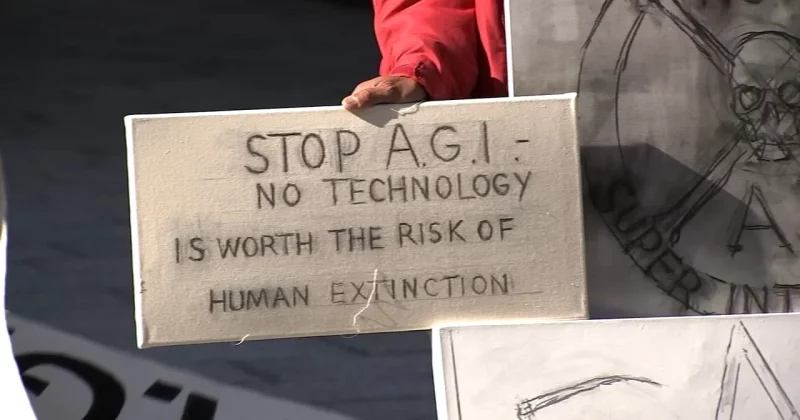
Anti-tech violent extremism has officially entered the US counterterrorism lexicon, as New York’s Intelligence Bureau flags a brand-new threat category in response to intensifying protests against data centers and AI infrastructure.
Surveillance on the Rise
The move comes as the US sees a surge in protests against data centers and AI infrastructure, which critics argue contribute to the spread of AI technologies and exacerbate existing social issues. The Intelligence Bureau’s formal recognition of anti-tech extremism is likely to intensify surveillance of individuals and groups involved in these protests, sparking concerns about civil liberties and the limits of government power.
The Intelligence Bureau has identified anti-tech extremism as a new category of violent extremism, alongside other categories such as white supremacist and Islamist extremism. This formal recognition is expected to trigger a range of consequences, including changes to law enforcement strategies and increased collaboration between federal and local authorities.
Reshaping Tech Infrastructure Strategies
The rise of anti-tech extremism is also set to reshape tech infrastructure strategies, as companies and governments grapple with the need to protect their interests in the face of growing opposition. This may involve increased security measures, such as physical barriers and surveillance systems, as well as more nuanced approaches to engaging with critics and addressing their concerns.
Major tech companies have already begun to reassess their strategies in light of the emerging threat, with some taking steps to address concerns around data center expansion and AI development. However, it remains to be seen how effectively these efforts will be in stemming the tide of anti-tech opposition.
What this Means
For individuals concerned about the intersection of technology and civil liberties, the recognition of anti-tech extremism serves as a stark reminder of the need for ongoing vigilance. As governments and corporations seek to protect their interests, it’s essential to maintain a critical eye on the evolving landscape and to advocate for robust protections of individual rights.
The Intelligence Bureau’s warning is a clear signal that the stakes are rising in the debate around AI and tech, and that the consequences of inaction will be severe. As the US navigates this complex terrain, the need for informed, nuanced discussion has never been more pressing.