OpenAI’s Sam Altman dismisses AI job losses, but warns of overvalued tech investments.
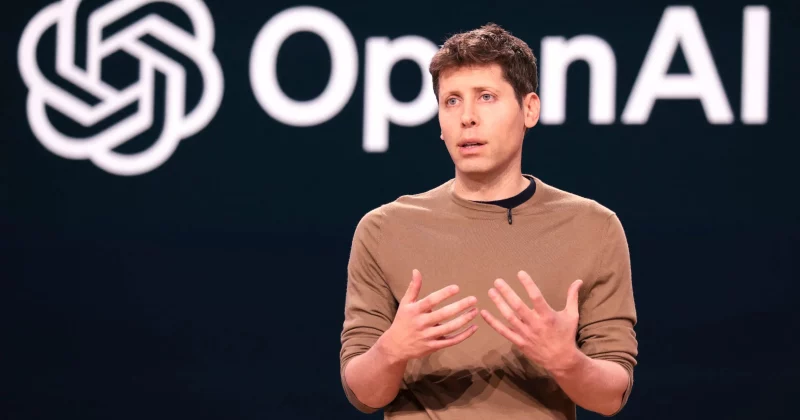
Sam Altman, CEO of OpenAI, has expressed skepticism that AI will cause a jobs apocalypse, sparking debate about the technology’s impact on the workforce. Altman, speaking at a conference in Sydney, stated he was “delighted to be wrong” about widespread job losses in the white-collar sector. However, his optimism comes with a caveat: AI has yet to demonstrate substantial revenue or productivity gains at scale.
Altman’s remarks highlight the ongoing uncertainty surrounding AI’s influence on employment. While some experts predict that AI will displace certain jobs, others argue that it will create new opportunities and augment existing ones. The reality likely lies somewhere in between.
What this means: AI’s potential job impact remains a topic of debate, making it challenging to predict what the future holds. But one thing is clear: investors need to be cautious about overvaluing tech investments that promise AI-driven growth without delivering.
The AI industry has seen significant investment in recent years, with many startups and established companies betting on the technology’s potential to drive productivity gains. However, these investments have yet to yield meaningful returns. Altman’s comments suggest that investors may have overestimated AI’s ability to drive growth, highlighting the need for a more nuanced understanding of the technology’s limitations.
As AI continues to advance, companies will need to adapt and develop strategies to harness its potential. This may involve investing in human-AI collaboration, upskilling workers, and implementing policies to mitigate the potential negative impacts of AI on employment.
OpenAI’s CEO, Sam Altman, is a prominent voice in the AI community, and his comments carry significant weight.
Altman’s “delighted to be wrong” comment reflects the cautious optimism that many AI experts share. While AI has the potential to drive significant benefits, it’s essential to acknowledge its limitations and the challenges it poses to the workforce.
Ultimately, the impact of AI on employment will depend on how companies and governments choose to develop and deploy the technology. By acknowledging the uncertainties surrounding AI’s job impact, we can begin to develop strategies that prioritize human well-being and economic growth.