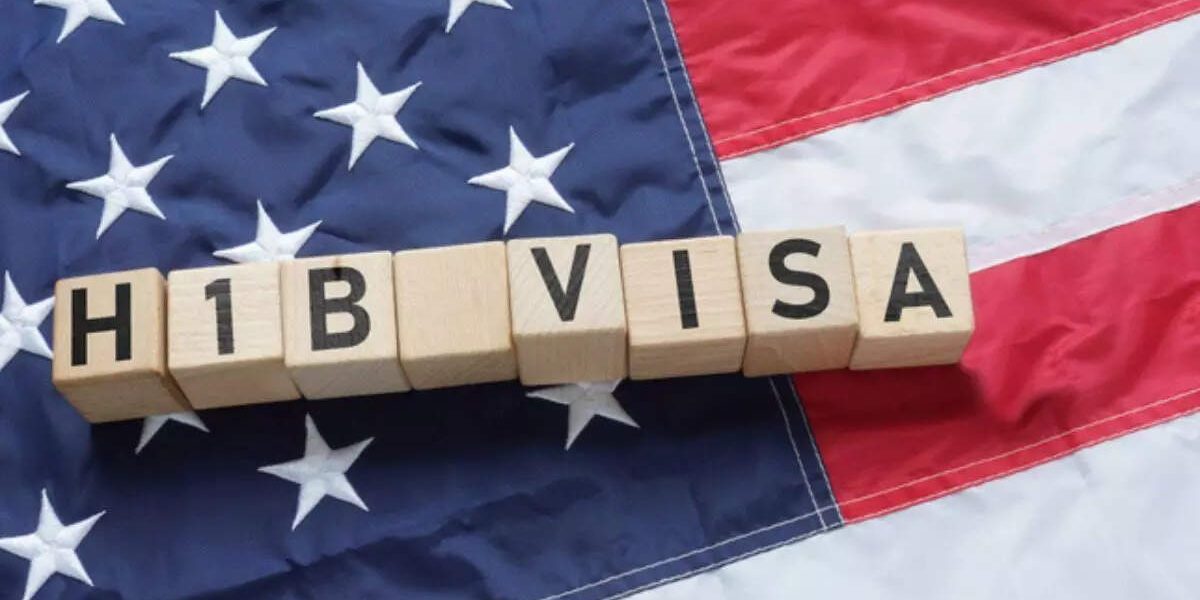
The numbers are in, and they’re stark: H-1B visa registrations have plummeted by 38.5% in FY27, a decline not seen in seven years. This seismic shift is largely a result of the Trump administration’s revised immigration policies, which have made it significantly more challenging for tech companies to secure these coveted visas.
Increased costs, wage-based selection fuel decline
The US Citizenship and Immigration Services has made it clear that companies will now have to shell out thousands of dollars more for each visa, a move that’s left many businesses reeling. To make matters worse, the USCIS has also introduced wage-based selection norms, which require companies to prove that they’re offering salaries that are at least 15% higher than the prevailing market rate.
This new reality is forcing companies to be more selective about who they hire, and where they hire them. The result: a drastic drop in H-1B visa registrations. According to recent data, the number of approved H-1B visas has decreased significantly, with many companies opting for alternative visa categories or even looking abroad for talent.
What this means for the tech industry
The decline in H-1B visas has sent shockwaves through the tech industry, with many businesses scrambling to adapt to the new reality. For Indian IT companies, whose dominance of the H-1B market is being challenged, this represents a significant blow. With the number of available visas dwindling, these companies will have to reassess their hiring strategies and explore alternative options, such as the L-1 visa category or hiring locally.
However, the decline in H-1B visas also presents an opportunity for the US tech industry to think more critically about its hiring practices and the role that foreign-born workers play in driving innovation. By investing in the development of domestic talent and creating more inclusive work environments, companies can reduce their reliance on foreign-born workers and still stay competitive in the global market.
US immigration policy in flux
The US immigration policy landscape is notoriously complex, and the Trump administration’s revisions to the H-1B program have only added to the uncertainty. With the White House and Congress continuing to spar over immigration reform, it’s likely that this policy will remain in flux for the foreseeable future.
For companies, this means continued uncertainty and the need to stay nimble in the face of changing regulations. As the US tech industry continues to grapple with the implications of the H-1B decline, one thing is clear: the rules of the game have changed, and companies will have to adapt if they want to stay ahead of the curve.