**Smart Homes, Smarter AI: Span’s Ambitious Plan to Harness Household Power**
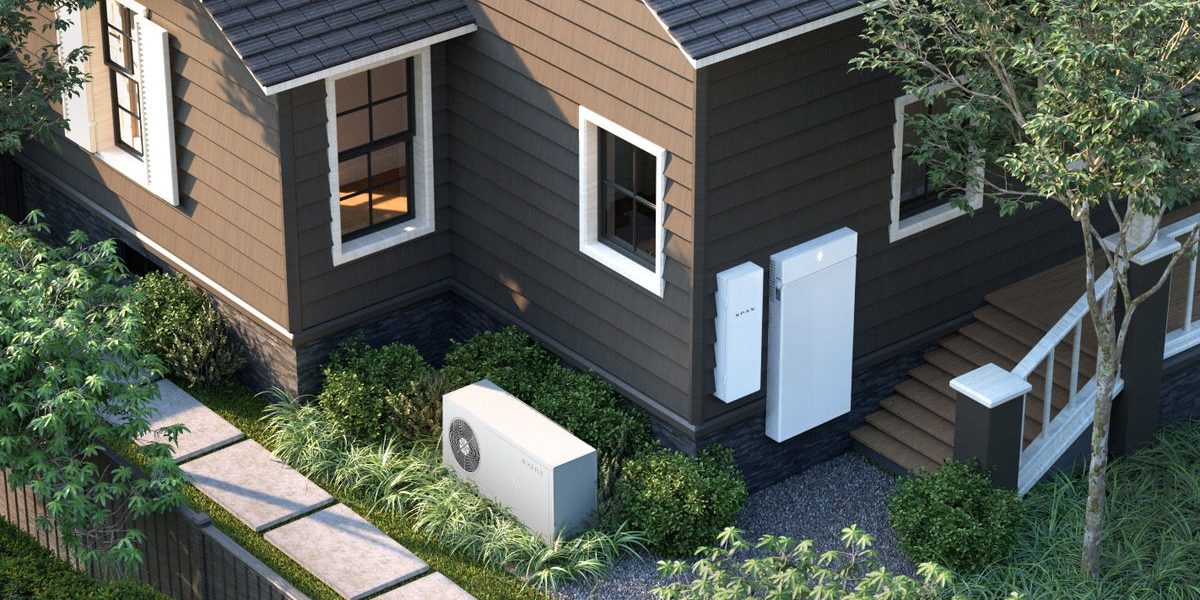
A team of innovators at Span, a smart-panel start-up, is working to transform spare household electricity into AI computing power, with a device about the size of an air conditioner taking up residence in your side yard.
The unit, dubbed a “data center in a box,” would tap into your home’s energy supply, processing complex AI tasks while generating a discount on your electricity bill. This concept raises questions about the scalability of such a system and its potential impact on the residential grid.
The idea is to create a network of mini data centers, each connected to a household’s existing power infrastructure. These data centers would be equipped with AI chips and software, essentially turning homes into localized computing hubs. This would allow for a more distributed and efficient way of processing data, reducing the strain on large, centralized data centers.
According to Span, this distributed approach could also make AI more accessible and affordable for individuals and businesses. By harnessed household electricity, the startup aims to reduce the energy consumption associated with traditional data centers, which typically rely on non-renewable sources.
**What this means**
If successful, Span’s technology could lead to a new era of decentralized AI computing, allowing for faster processing times, reduced costs, and increased energy efficiency. Homeowners might even enjoy a small discount on their electricity bills, making the device an attractive investment. However, the project’s scalability remains uncertain, and its impact on the residential grid will be crucial to its success.
In the near future, Span plans to test its concept on a small scale, with a focus on understanding the technical and economic feasibility of the project. As the initiative gains momentum, it will be worth watching how this novel approach to AI computing changes the way we think about energy consumption and data processing in our homes.