India’s Rupee Hits Record Low, But Economists See No Cause for Alarm
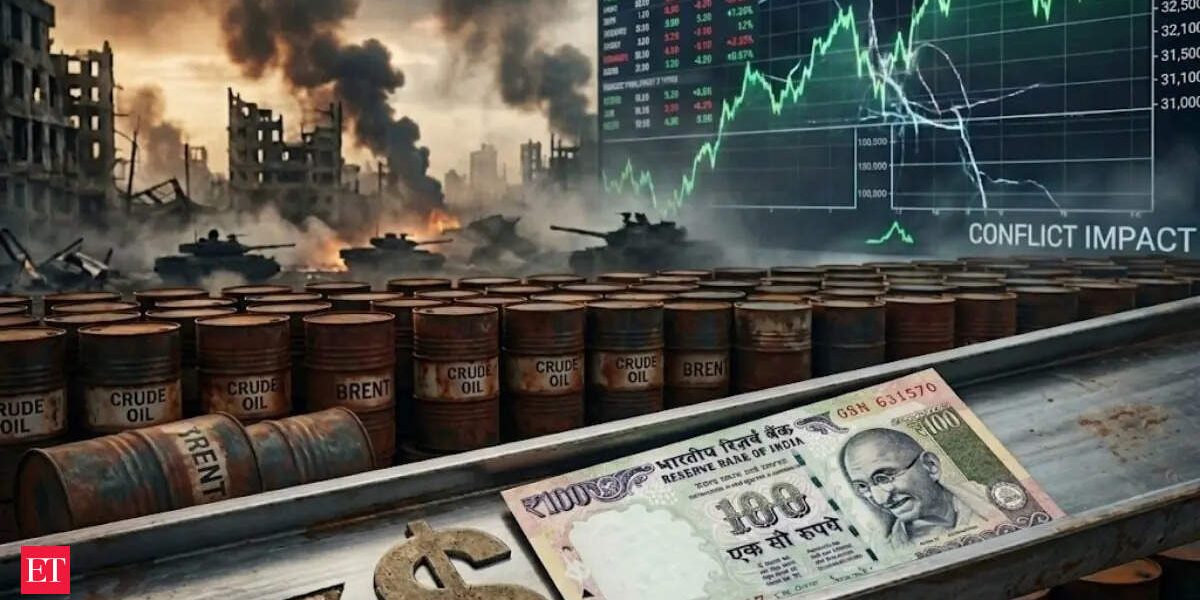
The rupee has just hit a record low of 96.96 against the US dollar, but don’t panic – it’s a short-term market fluctuation, not a sign of an economic apocalypse. Rising global crude oil prices, triggered by ongoing Middle East tensions, are behind the rupee’s woes.
The central bank has come to the rupee’s rescue, providing a lifeline to stabilize the currency. This intervention is a calculated move to prevent a potential market rout, which could have disastrous consequences for India’s economy. However, for the average Indian, the impact of this currency fluctuations is relatively small. Most of the country’s foreign trade is invoiced in dollars, so a weaker rupee might actually boost exports.
What this means is that while the rupee’s record low might make headlines, it’s unlikely to have a significant impact on most people’s lives. In fact, a weaker rupee could be a blessing in disguise for Indian businesses that rely on exports. Companies like Tata Motors and Maruti Suzuki, which export a significant portion of their production, might see a boost in their earnings due to the depreciation.
Rising Oil Prices – A Double-Edged Sword
Rising global crude oil prices are at the heart of the rupee’s struggles. The prolonged Middle East stalemate has led to an increase in oil prices, which in turn has put pressure on the rupee. This is a double-edged sword for the Indian economy – while a weaker rupee might help boost exports, higher oil prices could lead to increased inflation and a reduction in purchasing power for consumers.
The central bank’s role in supporting the rupee is crucial in this scenario. By providing liquidity to the market, they are helping to stabilize the currency and prevent a broader market meltdown.
Looking Ahead – A Return to Normalcy?
As the situation in the Middle East continues to unfold, it’s difficult to predict how long the rupee will remain under pressure. However, with the central bank’s support, it’s likely that the currency will stabilize over time. In the meantime, businesses and consumers can prepare for a potential increase in oil prices and a weak rupee by diversifying their investments and hedging against inflation.
What this means is that while the current situation might be unsettling, it’s not a cause for immediate concern. With time, the rupee will likely recover, and the Indian economy will adapt to the changing market conditions.