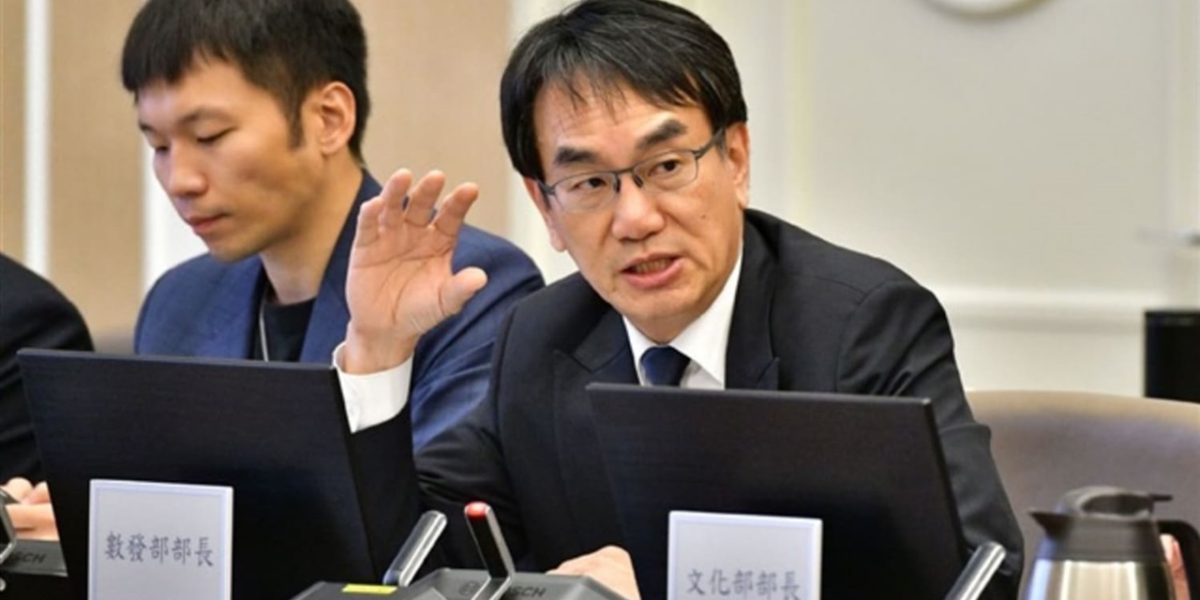
On May 21, Taiwan’s cabinet made a synchronized move to regulate AI, certify AI talent, and overhaul AI education – sending a strong signal that the island nation is serious about harnessing the benefits of artificial intelligence while minimizing its risks.
Regulating AI: A New Era of Vigilance
The government has approved a comprehensive AI act, which will set strict guidelines for the development and deployment of AI systems in Taiwan. This includes rules for data quality, algorithm transparency, and fairness in decision-making processes. The new regulations aim to prevent the misuse of AI and safeguard individuals’ rights in the digital age.
Certifying AI Talent: The Quest for Specialization
Taiwan plans to establish a standardized certification framework for AI professionals, ensuring they possess the necessary skills to thrive in an increasingly complex tech landscape. This move is designed to boost workforce competitiveness and make Taiwan an attractive destination for skilled AI talent.
Revamping AI Education: Future-Proofing the Young
The government is set to introduce AI education at the school level, starting with elementary education. The revamped curriculum will focus on AI literacy, programming skills, and critical thinking. This initiative aims to equip the next generation with the skills needed to succeed in an AI-driven world, while also fostering a culture of responsible AI development and usage.
What this means
Taiwan’s bold move sends a clear message that responsible AI governance is a top priority. This integrated approach will likely inspire other countries to follow suit, driving global cooperation on AI development and deployment. As AI continues to shape our world, Taiwan’s comprehensive strategy serves as a model for balancing the benefits of AI with its potential risks.