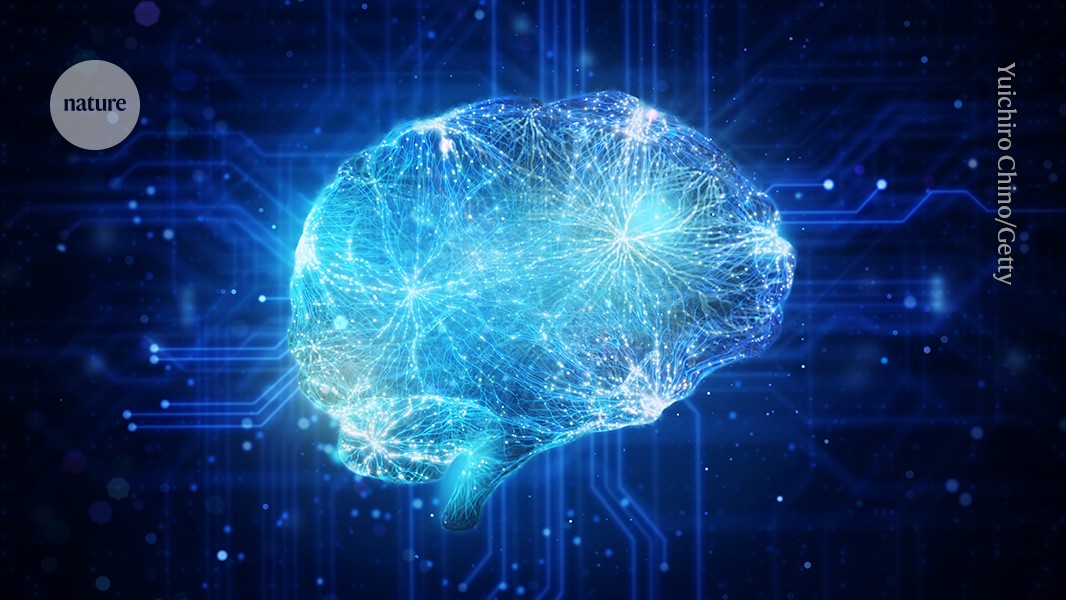
Research on AI sentience sparks debates on consciousness science.
A recent surge in AI systems’ capabilities has sparked an influx of interest in the idea of artificial intelligence (AI) sentience – the possibility that machines could one day become conscious beings. This shift has brought a long-overlooked field of study, consciousness science, into the spotlight.
Researchers like **Giulio Tononi**, a neuroscientist known for his integrated information theory of consciousness, have long explored the intricacies of human and animal consciousness. Now, as AI research accelerates, Tononi and his peers are studying whether artificial intelligence systems can become conscious.
Tononi argues that “it’s essential to understand consciousness as a fundamental property of the universe, like space or time.” This perspective has sparked debates among researchers about the validity and implications of such a study.
Some scientists are wary of the current hype surrounding AI sentience research, warning that the focus might be misplaced. “We’re still far from understanding human consciousness,” says **Christof Koch**, a neuroscientist who has studied the subject extensively. “Adding AI to the mix will only complicate things.”
Others, however, see the current attention as a welcome opportunity to inject fresh ideas and perspectives into the field. “The study of AI sentience can provide new insights into the fundamental nature of consciousness,” claims **Yann LeCun**, a renowned AI researcher.
So, what does this mean for the field of consciousness science? On one hand, the surge in interest could lead to significant breakthroughs and a deeper understanding of the complex phenomenon that is consciousness. On the other hand, the current hype might distract from the complexities and nuances of human consciousness, slowing down progress in the long run.
As researchers continue to explore the intersection of AI and consciousness, one thing is clear: the field is at a crossroads, and the path forward will be shaped by the choices made by scientists, policymakers, and the public.