**Colossal Biosciences Cracks Open the Future of Chicken Farming**
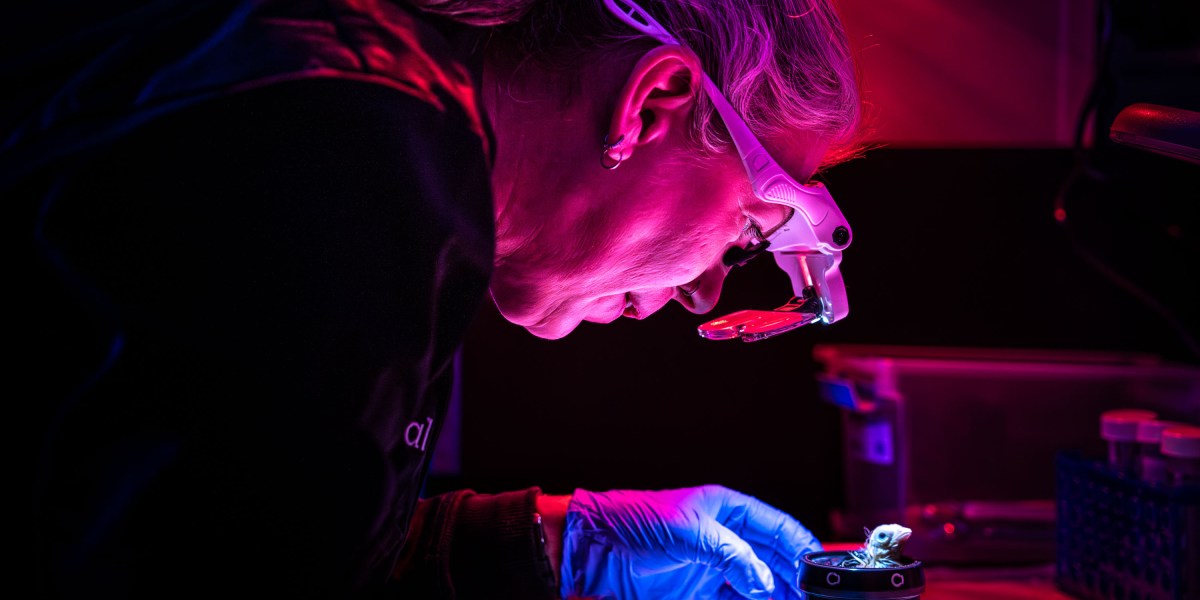
Colossal Biosciences has unveiled a revolutionary method of growing chickens, using 3D-printed artificial eggshells. The company successfully hatched baby chicks within the synthetic shells, marking a significant breakthrough in biotechnology.
The artificial eggshells are designed to mimic the natural environment, complete with a temperature control system and a simulated atmosphere. This allows the eggs to develop normally, without the need for traditional incubation. The result is a more efficient and humane way of raising chickens.
The technology has the potential to disrupt the global poultry industry, reducing the environmental impact of large-scale chicken farming. With traditional methods, millions of chickens are raised in crowded and unsanitary conditions, contributing to disease outbreaks and pollution.
**Google Overhauls Search Box for the First Time in 25 Years**
Google has made a significant change to its search box, introducing an AI-powered redesign after 25 years. The new interface aims to make search more intuitive and accessible, with a focus on voice search and visual discovery. The redesigned search box includes features such as:
* **AI-powered suggestions**: Google’s AI technology will now suggest search terms and answers directly in the search box.
* **Improved voice search**: The new design allows for more natural voice commands, reducing the need for typing.
* **Visual discovery**: Google’s AI will suggest images and videos related to the search query, making it easier to find visual content.
What this means: The updated search box will likely make Google’s search results more prominent, further solidifying its position as the leading search engine. As voice search becomes more prevalent, the new design will make it easier for users to find information using voice commands.
**Musk’s Neuralink Suffers Setback in Fight Against Brain-Computer Interface**
Elon Musk’s Neuralink, a neurotechnology company focused on developing brain-computer interfaces, has faced a setback in its bid to secure FDA approval. The company’s application for human trials was rejected, citing concerns over the safety and efficacy of its technology.
Neuralink’s technology aims to allow people to control computers and communicate with others using only their thoughts. While the technology has shown promise in animal trials, the company still faces significant regulatory challenges.
What this means: The setback is a significant blow to Musk’s ambitious plans for Neuralink. The company will need to address the FDA’s concerns and conduct further research before it can proceed with human trials.