Geopolitical tensions are sending shockwaves through the global economy, and investors are scrambling to make sense of the chaos. One strategy gaining attention is “animal spirits” – an old-school approach that’s making a comeback in the age of AI.
Nvidia Too Big?
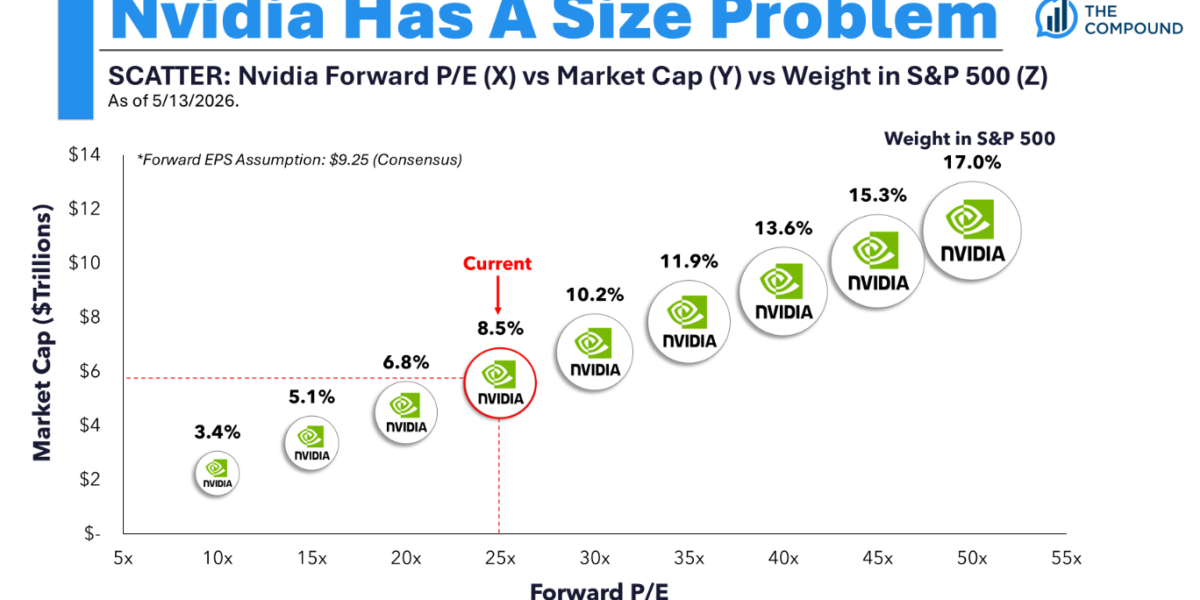
Nvidia’s massive market cap has sparked concerns it’s too big to fail. The company’s valuation is now over $1 trillion, with a market share of around 80% in graphics processing units (GPUs). This has led some investors to wonder if Nvidia’s dominance will stifle innovation and competition.
Michael Burry, the legendary hedge fund manager, has been vocal about Nvidia’s valuation. In a recent interview, he stated that the company’s stock price is “way too high” and that it’s due for a correction. Burry’s predictions have a history of accuracy, but it’s worth remembering that past performance is no guarantee of future results.
AI Portfolio Strategies
AI-powered portfolio management is becoming increasingly popular, but it’s not without its challenges. One key issue is that AI systems can struggle to anticipate and adapt to changing market conditions. As a result, some investors are turning to a more traditional approach – focusing on stocks with predictable cash flows.
Companies like Realty Income and AGNC Investment Corp. offer a reliable income stream, making them attractive options for investors seeking stability. These stocks are often referred to as “bond-like” investments, but with higher potential returns.
The Robots Are Coming?
AI is transforming industries at an unprecedented pace, and the financial sector is no exception. AI-powered trading platforms and portfolio managers are becoming increasingly sophisticated, but they’re not without their risks. As AI takes on more responsibilities, the question remains: who’s accountable when things go wrong?
The answer, perhaps, lies in the development of more transparent and explainable AI systems. By making AI more accountable, investors can regain trust in these powerful tools and harness their potential to drive returns.
What this means: investors should be cautious of AI-driven portfolio strategies and consider more traditional approaches, like focusing on stocks with predictable cash flows, to mitigate risk. As AI continues to evolve, it’s crucial to stay informed about its capabilities and limitations to make informed investment decisions.