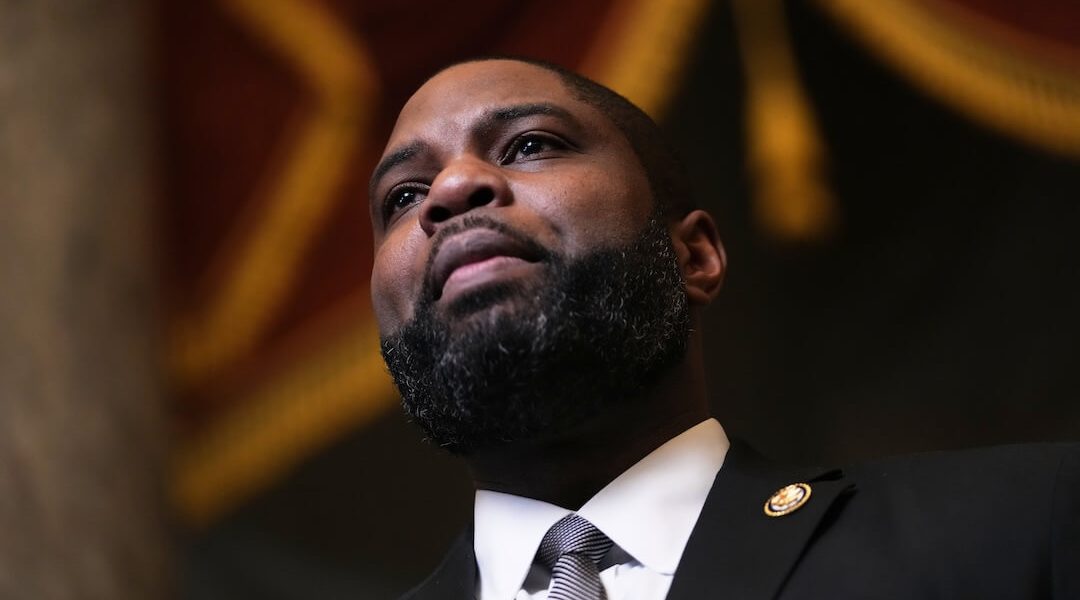
A 30-second AI-generated video of Florida gubernatorial candidate U.S. Rep. Byron Donalds went viral last week, despite being entirely fabricated.
The clip, which was spread by several prominent politicians and social media users, appeared to show Donalds advocating for insider trading as a viable investment strategy. In reality, the video was a manipulated creation of a relatively simple AI tool called a “deepfake” generator. These tools use advanced algorithms and machine learning to produce convincingly fake audio and video content.
The people behind this AI slop remain unknown, but the fact that it spread so quickly and was even shared by some prominent figures is a stark reminder of the threat that deepfakes pose to our information ecosystem. The ease with which AI-generated content can be created, shared, and accepted as real is a ticking time bomb for democracy.
What this means: As AI-generated content becomes increasingly sophisticated, it’s more important than ever to verify the authenticity of information before sharing it. Politicians and social media influencers have a critical role to play in promoting media literacy and fact-checking.
The Rise of AI-Generated ‘Slop’
Deepfake video generators have been around for a few years now, but they’ve become increasingly accessible to the general public in recent months. This has led to a proliferation of AI-generated “slop” – low-quality, often poorly made content that’s designed to deceive or manipulate rather than entertain or inform.
The fact that this particular video was created using a relatively simple AI tool is a testament to the progress that’s been made in this area. As AI technology continues to advance, it’s likely that we’ll see more sophisticated and convincing forms of AI-generated content emerge.
The Responsibility of Social Media Platforms
Social media platforms have a responsibility to do more to prevent the spread of AI-generated disinformation. This can include investing in AI-powered fact-checking tools, implementing stricter content moderation policies, and educating users about the risks of deepfakes.
While some platforms have taken steps in this direction, there’s still a long way to go. As we head into the 2024 elections, it’s more important than ever that social media companies prioritize the truth and take concrete steps to prevent the spread of AI-generated disinformation.