India Accelerates Clean Energy Transition with Focus on Storage and Renewables
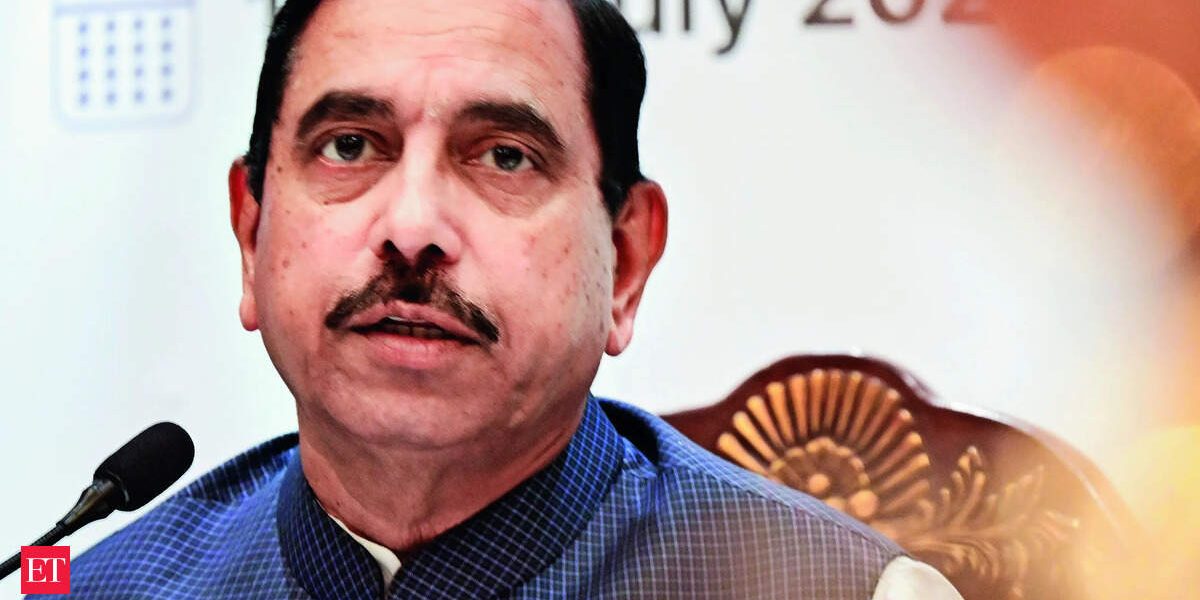
Pralhad Joshi, Union minister for renewable energy, recently emphasized the importance of battery storage, wind power, and solar energy in India’s push towards a greener future. The minister’s comments were made at the Sustainability Conclave 2026 in New Delhi.
India’s renewable energy sector has been growing steadily, with a significant increase in installed capacity over the years. However, the country still relies heavily on fossil fuels to meet its energy demands.
Battery Storage Takes Center Stage
Joshi highlighted the crucial role that energy storage systems will play in the country’s clean energy transition. With the increasing adoption of renewable energy sources like wind and solar power, energy storage becomes essential to stabilize the grid and ensure a consistent supply of electricity.
India aims to achieve 500 GW of renewable energy capacity by 2030, up from the current 140 GW. To achieve this target, the country needs to invest heavily in energy storage systems, which can store excess energy generated by renewable sources for use during periods of low sunlight or high energy demand.
Renewable Energy Expansion on the Rise
The government’s push for renewable energy has led to a significant increase in solar and wind power installations. According to Joshi, India’s wind power capacity has grown by 25% in the past year, while solar power capacity has increased by 20% during the same period.
With the cost of renewable energy decreasing rapidly, more businesses and households are turning to solar and wind power as a reliable and affordable source of energy. This trend is expected to continue, driven by government incentives and a growing awareness of the need for a sustainable energy future.
What this means
India’s focus on battery storage and renewable energy expansion is a significant step towards achieving its clean energy goals. With the government’s support, the country is likely to see a rapid growth in the adoption of clean energy sources, reducing its dependence on fossil fuels and mitigating the impact of climate change. As a result, consumers can expect to see a decrease in energy costs and an increase in the availability of clean energy options.