A Data Center Boom Leaves Behind a Devastating Reality
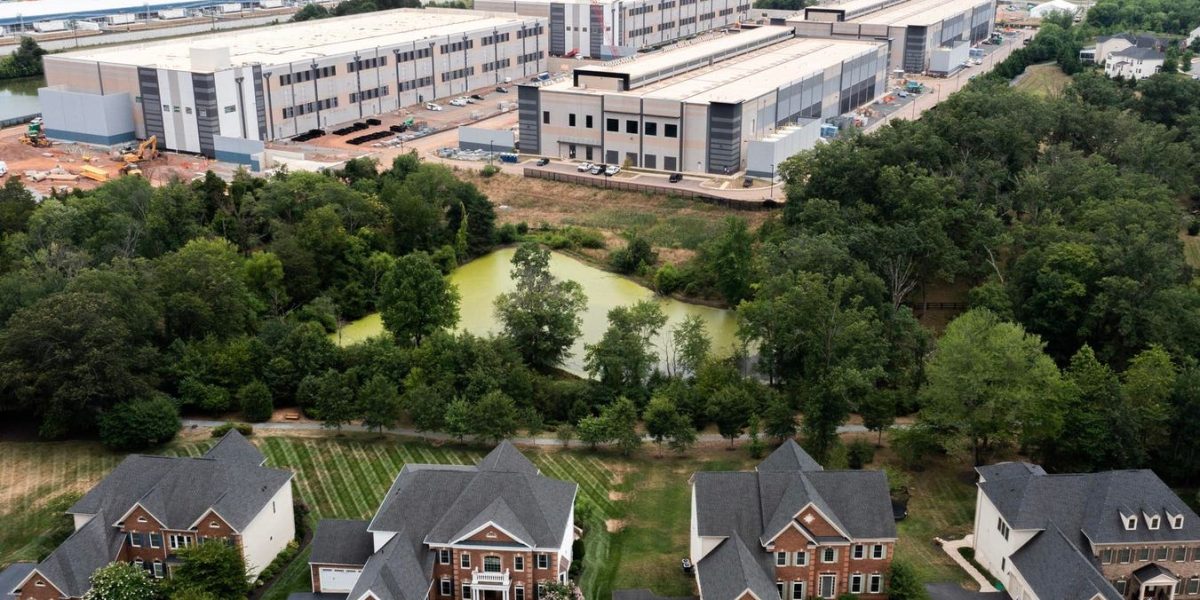
Amazon’s Virginia data center is nestled next to single-family homes, a stark reminder that the AI boom is not just a digital phenomenon, but a physical reality with far-reaching consequences.
The Rise of Data Centers: A Hidden Cost to Communities
Data centers are the backbone of the AI revolution, supporting everything from virtual assistants to self-driving cars. But at what cost? The data center boom has led to a staggering increase in energy consumption, water usage, and land development. In Northern Virginia, for example, the area has seen a surge in data center construction, with many facilities now located in close proximity to residential communities. This not only poses a risk to local ecosystems but also threatens the quality of life for residents.
The situation in Northern Virginia is not unique. Data centers are popping up across the globe, from the scorching deserts of Arizona to the lush forests of Ireland. And while they may seem like a necessary evil, the reality is far more complex. A single data center can consume as much electricity as a small town, with some facilities racking up energy bills of over $100 million annually. The environmental impact is just as concerning, with data centers responsible for producing massive amounts of e-waste and contributing to greenhouse gas emissions.
What This Means for Communities
As the AI boom continues to accelerate, it’s essential to consider the human cost of this technological revolution. For communities located near data centers, the reality is often one of sacrifice. Residents may face increased noise pollution, decreased property values, and even health risks due to poor air quality. Meanwhile, the environmental impact of data centers will only worsen unless drastic measures are taken to address energy consumption and e-waste production.
The digital dust bowl is a harsh reminder that the AI revolution has a physical footprint that must be acknowledged and addressed. As we continue to push the boundaries of what’s possible with AI, it’s essential to prioritize the well-being of both people and the planet.