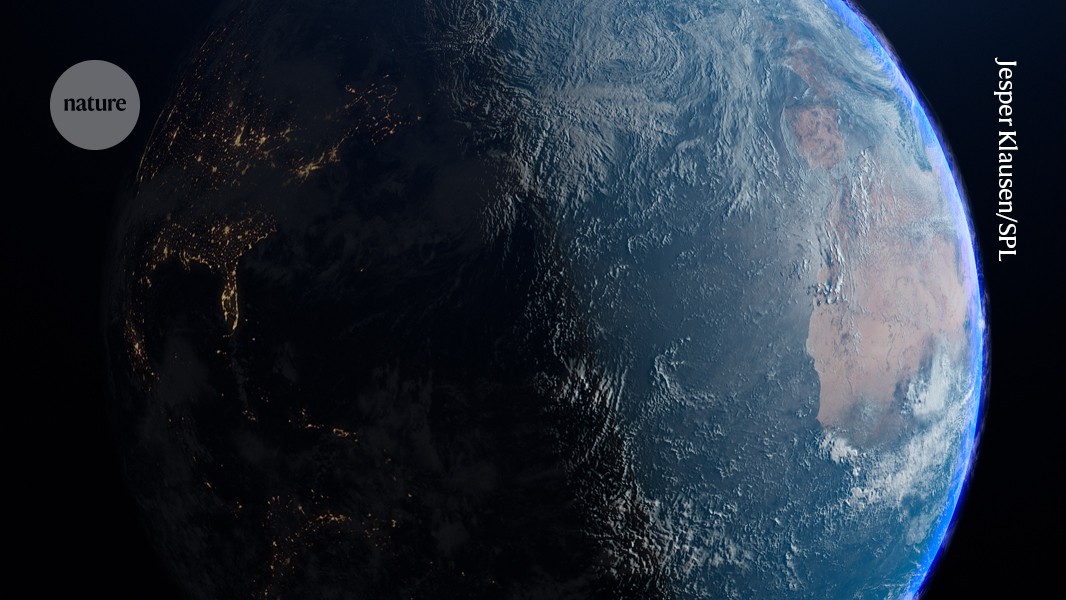

US-based start-up Reflect Orbital wants to harness the power of giant space mirrors to beam sunlight into Earth’s night-time zones, potentially boosting green energy production. The company plans to launch an array of 50,000 mirror-bearing satellites into orbit, which has sparked concerns among astronomers.
The space mirrors would focus sunlight onto specific areas on Earth, creating artificial daylight. This, in theory, could enable the use of solar panels in cities and regions that receive limited sunlight, reducing reliance on fossil fuels and lowering carbon emissions. For instance, a city like New York, which has limited sunlight during the winter months, could potentially power its buildings and homes using sunlight from space.

However, astronomers are deeply worried about the potential impact on telescopes. With thousands of satellites in orbit, the reflected light could overpower the signals from distant stars and galaxies, making it harder for scientists to study the universe. The International Astronomical Union has already expressed concerns about the plan, fearing it could lead to the degradation of astronomical research.
What this means: The prospect of using space mirrors to boost green energy raises several questions about the potential trade-offs between economic and environmental benefits, and scientific research. If successful, it could pave the way for innovative energy solutions, but it may also require the development of more advanced telescope technologies to mitigate the effects of the space mirrors.