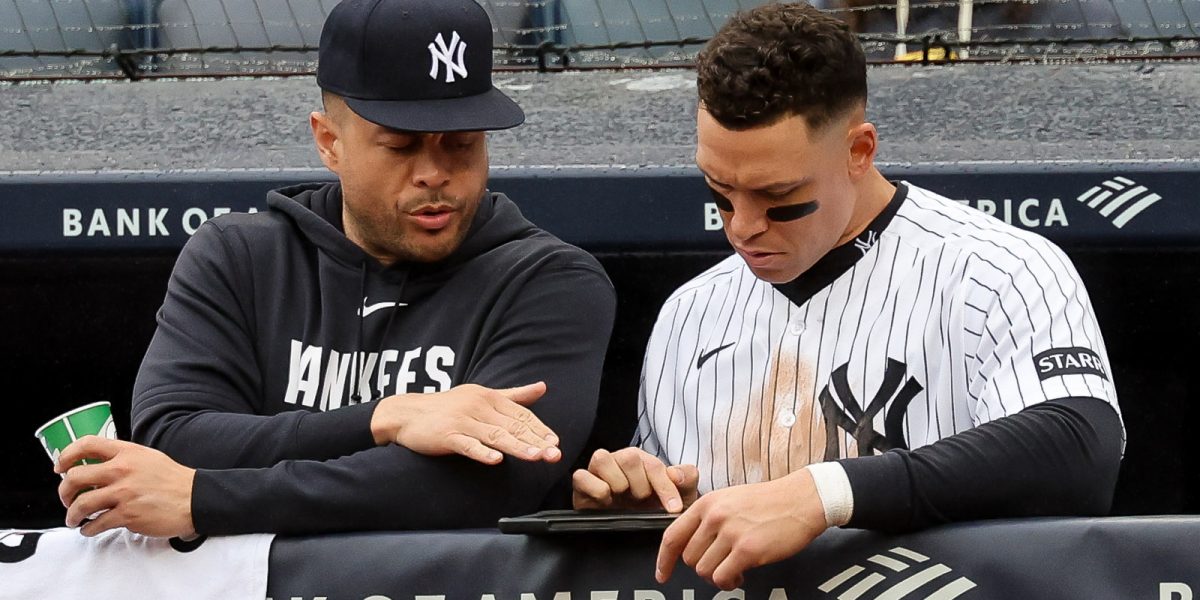
Major League Baseball has banned the use of AI on dugout iPads, effectively restricting teams from leveraging generative AI for in-game strategy.
Baseball’s Technological Tussle
Last season, some MLB teams started using league-provided iPads to access a type of generative AI designed to provide data-driven insights. The AI, reportedly powered by IBM’s Watson, was meant to offer real-time information on opposing teams’ lineups, pitch tendencies, and other strategic details. However, this technological intervention sparked controversy among some players, coaches, and fans who felt it gave certain teams an unfair advantage.
What this means for the sport
The ban on AI-powered dugout iPads is a reaction to concerns about maintaining the integrity of the game. The MLB wants to prevent teams from exploiting AI-driven data to gain an edge over their opponents. This move may level the playing field, but it also raises questions about the role of technology in professional sports. The ban doesn’t necessarily mean AI won’t be used in baseball again – it might, just in different capacities.
Implications for the future of sports tech
The MLB’s decision sends a signal to other professional sports leagues and teams: technological advancements, no matter how innovative, must not compromise the fairness and competitiveness of the game. As AI continues to shape various industries, the sports world will need to navigate its own relationship with technology. Will other leagues follow the MLB’s lead, or will they explore alternative ways to incorporate AI into their competitive spaces? The debate is on, and the stakes are high. For now, the MLB has chosen to prioritize the human element of the game, ensuring that strategy and skill take center stage over data and algorithms.