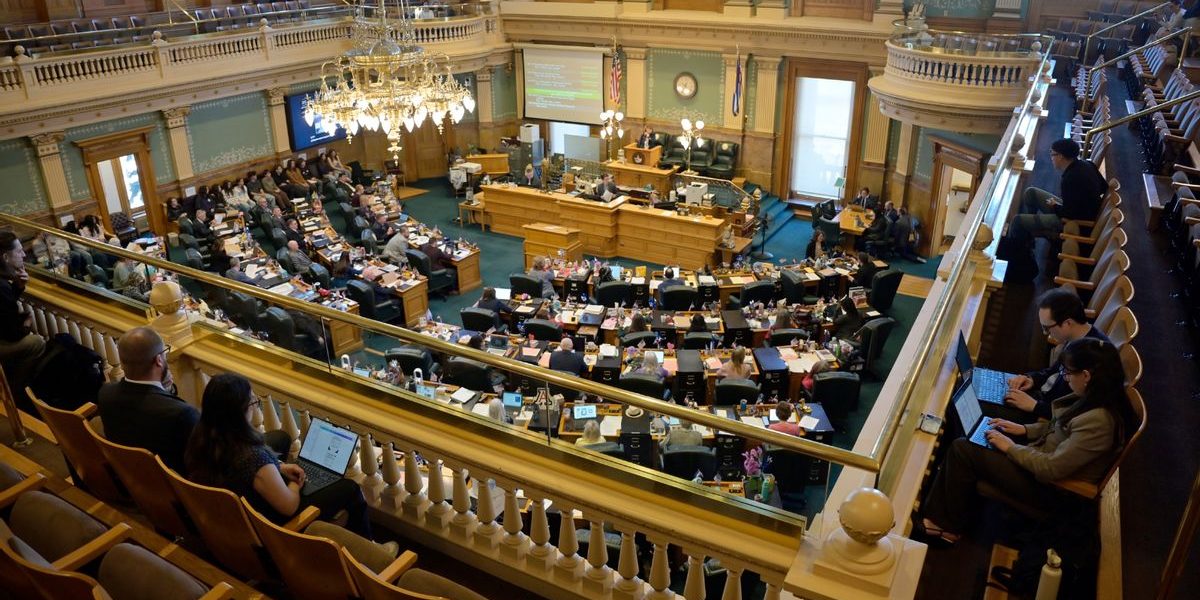
A 17-member bloc of Colorado Republicans has sparked outrage after voting against a bill that banned sexually explicit AI-generated content featuring children. The bill, which passed with bipartisan support in 2026, aims to protect minors from online exploitation and abuse.
Child Safety Advocates Cry Foul
Colorado lawmakers introduced the bill in response to rising concerns over the proliferation of AI-generated child sexual abuse material (CSAM) on social media platforms. Proponents argue that AI tools can be manipulated to create disturbing and explicit content that harms children’s mental health and well-being. The bill’s passage effectively prohibits the creation, distribution, and possession of such content in the state.
A Divided GOP Response
The 17 Republican lawmakers who voted against the bill include some high-profile figures, including former Colorado House Speaker Andrew Dorsey. Their opposition has been met with widespread criticism from child safety advocates and Democrats, who accuse them of prioritizing partisan politics over vulnerable children’s welfare.
“It’s shocking that some of our Republican colleagues would put party ideology over the safety and well-being of Colorado’s children,” said Democratic Representative Jennifer Garcia, a sponsor of the bill. “This vote sends a disturbing message that some lawmakers are more concerned with protecting the interests of tech companies than ensuring the protection of our most vulnerable citizens.”
What This Means
The implications of the GOP vote are clear: in Colorado, at least 17 lawmakers have signaled that they are willing to compromise on child safety in favor of partisan politics. This has significant consequences for the fight against online exploitation and abuse, as it suggests that some lawmakers may prioritize corporate interests over human welfare. As AI-generated CSAM continues to pose a significant threat to children worldwide, the Colorado vote serves as a stark reminder of the need for lawmakers to prioritize the safety and well-being of their constituents.