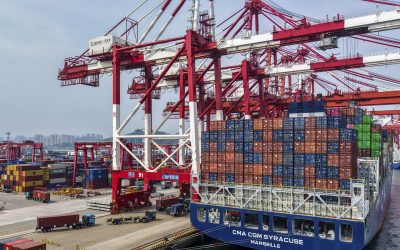
China’s economy expanded just 4.3% year-on-year in the second quarter, its slowest pace since late 2022 and a disappointment for markets that were expecting a stronger rebound.
Domestic Demand Falters Amid External Pressures
China’s economic slowdown, driven by a decline in domestic demand despite resilient exports and industrial production, highlights the growing challenges it faces from weak domestic consumption and external shocks.
Despite efforts to boost economic activity, China’s government has struggled to reignite domestic demand, which has been held back by a combination of factors including high inflation, property market woes, and a lingering COVID-19 pandemic.
Global Markets React
The weaker-than-expected growth rate has sent shockwaves through global markets, with Asian stocks and metal prices swinging sharply in response.
The People’s Bank of China’s (PBOC) decision to keep interest rates steady has also added to investor uncertainty, as it suggests the central bank is prioritizing economic stability over stimulating growth.
Asia’s Economic Outlook Uncertain
The slowdown in China’s economy is likely to have a ripple effect across the region, with many Asian countries still heavily reliant on China for trade and investment.
“The economic slowdown in China is a concern for Asia, as it could lead to a decline in demand for Asian exports,” said Markets Analyst, Emily Chen. “We’re likely to see more volatility in Asian markets and metal prices until there’s greater clarity on China’s economic trajectory.”
What this means: With China’s economy slowing and Asia’s economic outlook uncertain, investors would do well to stay vigilant and review their exposure to regional stocks and commodities.