Elon Musk’s Lawsuit Against OpenAI Derailed, But No Winners Emerge
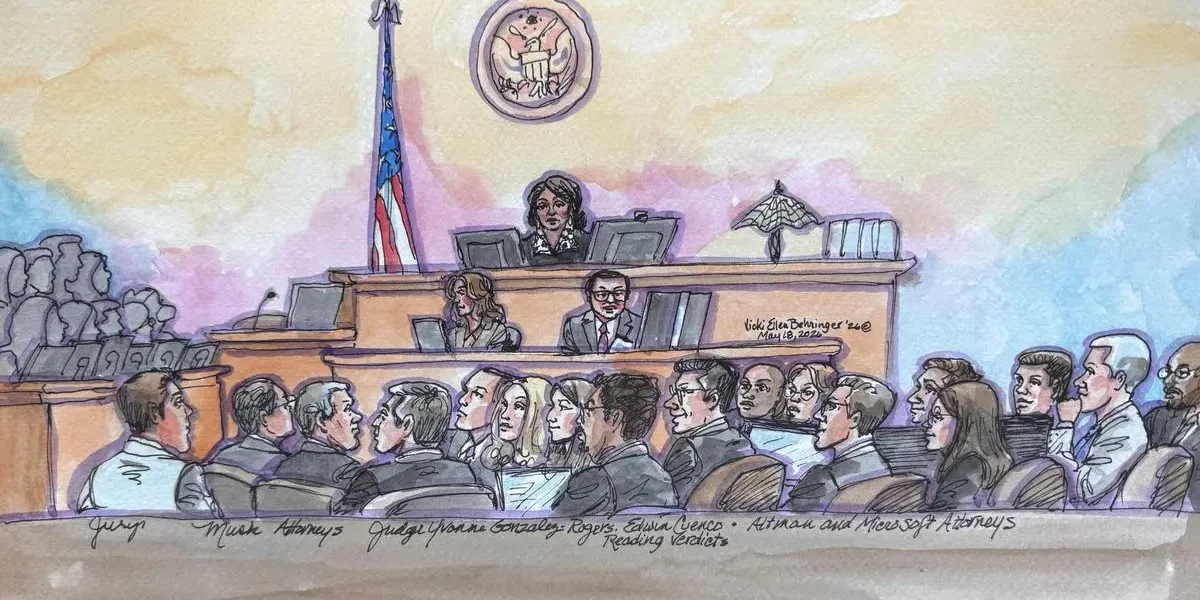
A California court has dismissed a lawsuit from Elon Musk, effectively ending his attempt to overhaul OpenAI, the $852 billion valuations ChatGPT maker.
Background of the Dispute
The conflict began when Musk accused OpenAI’s CEO Sam Altman of breaching their fiduciary duties and sought to remove him from the company. The lawsuit also targeted OpenAI’s board of directors and aimed to introduce new leadership at the company. Musk’s motives were likely driven by a desire to steer OpenAI in a direction that aligns with his own interests.
The Court Ruling
The court’s dismissal of the lawsuit means that Musk’s efforts to overhaul OpenAI have been thwarted. However, this outcome doesn’t necessarily mark a triumphant victory for OpenAI. The prolonged and costly legal battle may have left scars, damaging the relationship between the involved parties and affecting the company’s internal dynamics.
Taking Stock of the Aftermath
The court decision won’t have an immediate impact on OpenAI’s plans for an initial public offering (IPO), which is expected to be one of the largest in history. Nevertheless, this development underscores the increasingly complex web of alliances and rivalries within the AI industry. The dispute between Musk and OpenAI highlights the challenges of governing and managing powerful AI companies, which often involve high-stakes power struggles.
What this means: The drawn-out court battle between OpenAI and Musk may have had a detrimental impact on the company’s internal dynamics, which could compromise its ability to innovate and operate smoothly. As the AI industry continues to grow, these power struggles will only become more intense, forcing companies to confront the complexities of managing competing interests.