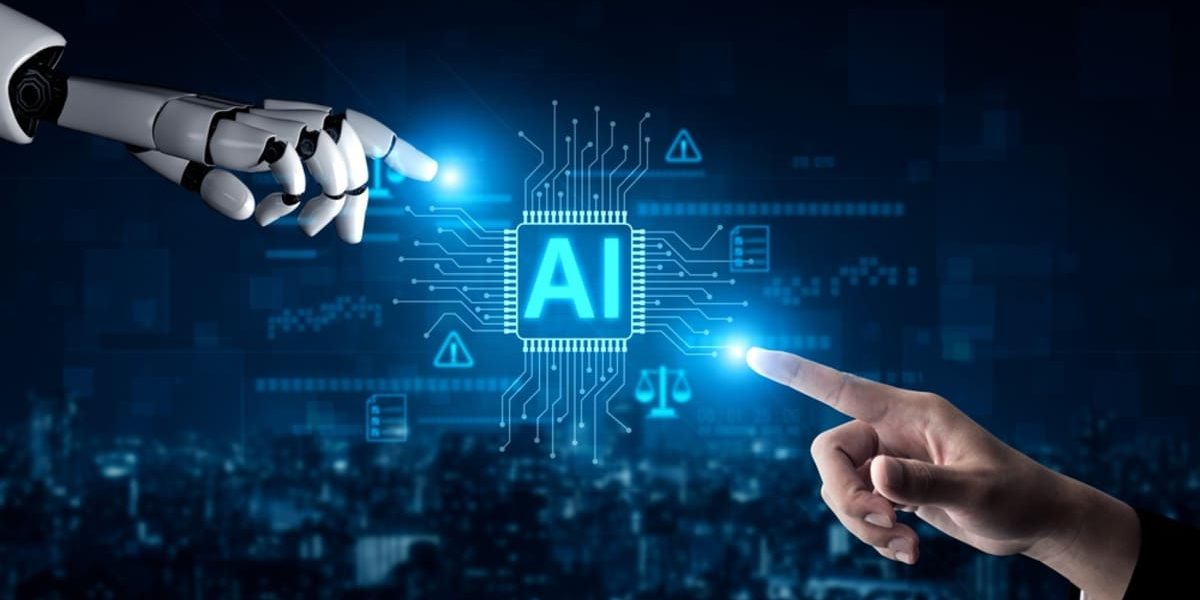
A gathering of the world’s top minds has descended upon the historic gardens of Castel Gandolfo, outside Rome, for a three-day summit on the security risks of artificial intelligence.
The Vatican summit, running from July 14 to 16, has attracted over 200 experts, innovators, and Nobel laureates, all united in their quest to understand and address the dangers that AI poses to humanity. The event is directly inspired by Pope Francis’s encyclical **Magnifica Humanitas**, which emphasizes the need for a more compassionate and inclusive approach to technological advancements.
As participants take to the stage, they include some of the biggest names in AI, such as **Andrew Ng**, a pioneer in the field who has worked with Google, Baidu, and Coursera, and **Fei-Fei Li**, the former director of the Stanford Artificial Intelligence Lab (SAIL). They’re joined by experts from fields as diverse as cybersecurity, economics, and ethics.
The summit’s agenda is packed, with discussions ranging from the potential for AI-powered manipulation and disinformation to the impact of automation on the global workforce. One of the key takeaways from the summit is likely to be the need for a more collaborative approach to AI development, one that prioritizes transparency, accountability, and human values.
The Vatican’s involvement in this high-stakes conversation is a reflection of the growing recognition of AI’s potential to shape the world in profound ways. As **Pope Francis** himself has said, “Technological progress is a gift from God, but we must use it in a way that is compatible with the dignity of human beings and the common good.”
**What this means:** The Vatican summit is a crucial reminder that AI’s security risks are a pressing concern that requires international cooperation and a commitment to human-centered values. As the world hurtles towards an increasingly automated future, it’s clear that we need to take a more intentional approach to ensuring that AI serves humanity, rather than the other way around.