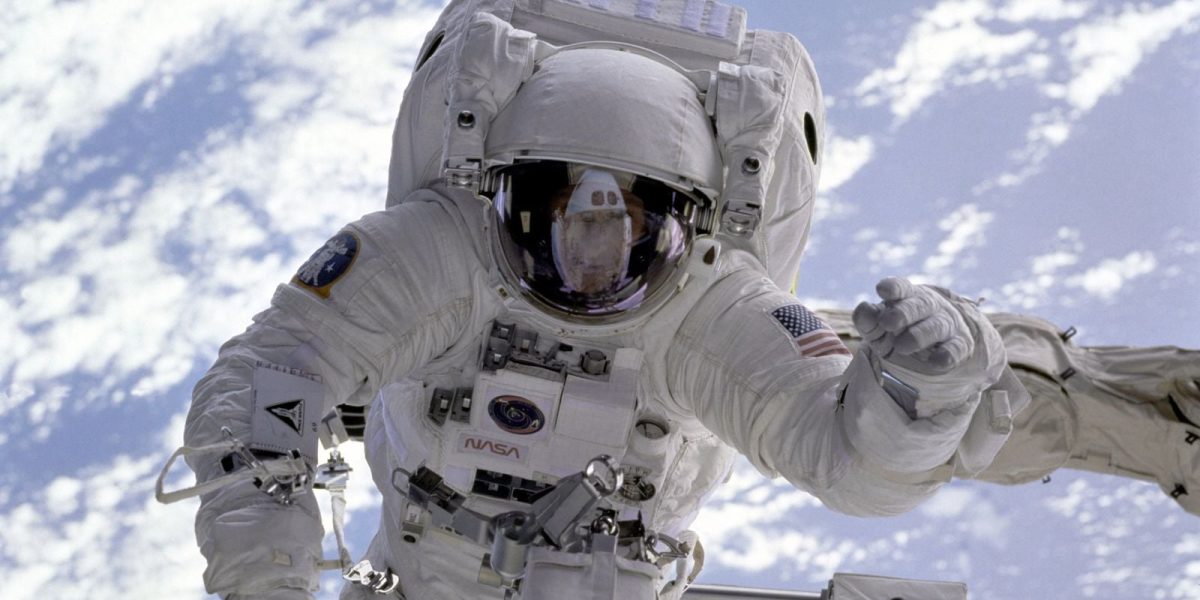
Astronauts Suffer from a Softer Landing: Relearning Gravity’s Automaticity
A long-duration space mission may seem like an all-too-easy return, but astronauts who’ve spent months floating in microgravity face a peculiar challenge upon landing: they struggle to stand, walk, and estimate the weight of everyday objects. This isn’t due to a lack of intellectual knowledge that gravity exists, but rather because their brains have been rewired to move in a weightless environment.
The prolonged absence of a gravitational pull forces the nervous system to adapt and find new ways to control movement. As a result, when astronauts return to Earth, their bodies are essentially faced with a reverse learning curve. Their muscles and sensory systems, accustomed to operating in microgravity, must relearn the automatic and unconscious tasks that come with walking on a planet with gravity.
This phenomenon, known as “sensorimotor recalibration,” highlights the complex interplay between the body’s physical systems and the brain’s processing of sensory information. The process isn’t merely about remembering how to walk, but rather about reactivating the intricate network of motor skills, reflexes, and proprioception (the sense of body position and movement) that develop through years of gravity exposure.
What this means: Astronauts and individuals who experience periods of prolonged microgravity exposure, such as those in space or underwater environments, should expect to undergo a gradual sensory re-education process upon returning to a gravity-rich environment. This can involve initial difficulties with motor control, balance, and spatial awareness.
Reorienting the Brain: Training for a Safer Return
Scientists and space agencies are working to better understand and mitigate this phenomenon through innovative training programs and sensory substitution techniques. These efforts aim to enhance astronauts’ adaptability and reduce the risk of accidents or injuries upon return to Earth’s surface.
By understanding the intricacies of sensorimotor recalibration, researchers can develop more effective rehabilitation protocols for astronauts and individuals affected by prolonged exposure to altered gravitational environments.