Oil prices breached the $85 mark for the first time in nearly three years, fueled by escalating US-Iran tensions and worries about supply disruptions. This sent shockwaves through global markets.
Treasury Yields on the Rise
Treasury yields have jumped as investors anticipate potential interest rate hikes by the Federal Reserve. This move is largely driven by the expectation that higher interest rates will curb inflation, particularly if supply disruptions in the oil market lead to price increases.
The 10-year Treasury yield rose by 0.06% to 1.88%, a relatively modest increase, but enough to signal that investors are reevaluating their views on the US economy.
Asian Shares Trade Mixed
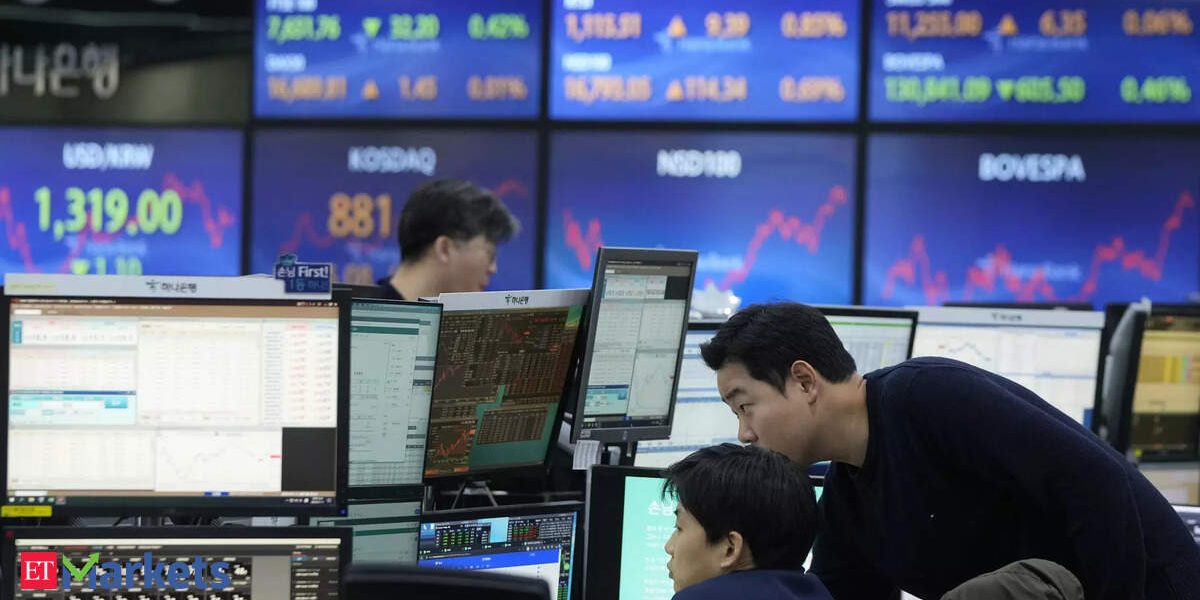
Asian stocks displayed mixed performance, influenced by a tech stock sell-off in the US. The MSCI Asia ex-Japan index fell 0.15%, while the Hang Seng Index in Hong Kong dropped 0.25%.
However, other indexes, such as the Shanghai Composite in China, rose 1.1% on the back of government stimulus efforts and a rebound in the country’s tech sector.
What this means
As oil prices rise, consumers can expect higher fuel costs, while businesses may need to adjust their pricing strategies to account for increased production costs. Investors, on the other hand, are weighing the potential risks and opportunities presented by rising Treasury yields and the prospect of higher interest rates.
In this volatile market environment, investors are advised to remain cautious and closely monitor economic indicators, as well as geopolitical developments, which can significantly impact market sentiment.
Ongoing Tensions
The oil price surge is largely driven by tensions between the US and Iran, which have escalated in recent weeks. The standoff has raised concerns about potential supply disruptions, leading investors to seek safe-haven assets, such as gold and the US dollar.
A 14.4% increase in oil prices since the beginning of the year has led to a substantial surge in the cost of crude, and investors are bracing themselves for further market volatility.