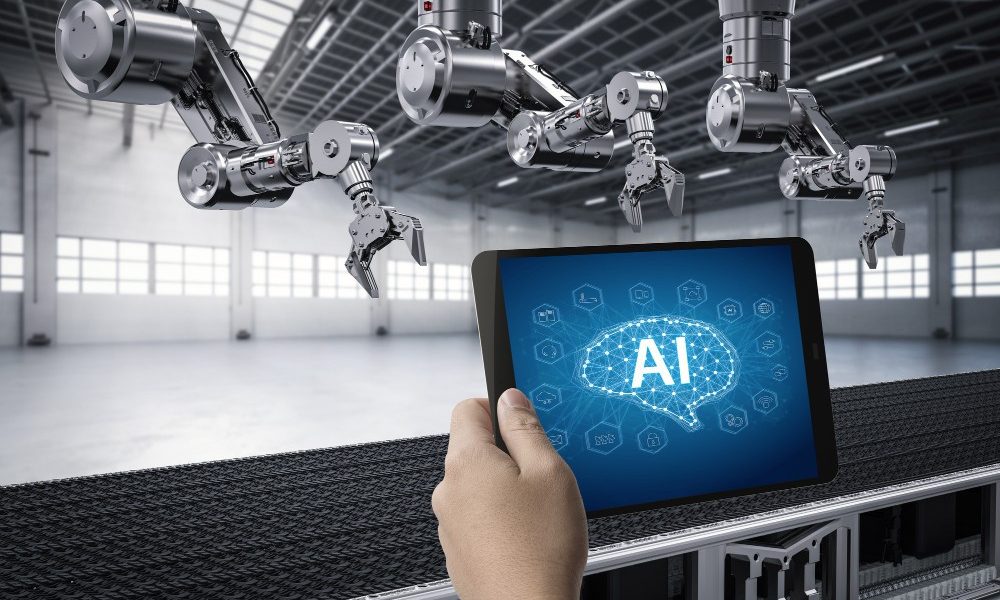
A Boston Dynamics robot, named ATLAS, has been programmed to work alongside other robots in a warehouse, demonstrating the potential of multi-agent AI systems in optimizing logistics operations.
Rethinking Warehouse Efficiency
Multi-agent AI systems are changing the way we think about logistics and automation in warehouses. These systems consist of multiple independent agents that interact with each other to achieve a common goal, such as picking and packing orders efficiently. Each agent can represent a different type of resource, including robots, drones, and humans working together to optimize the flow of goods.
The key idea behind multi-agent AI is to enable different agents to learn from each other and adapt to changing conditions in real-time, allowing the entire system to stay agile and responsive. For example, a robot might learn to navigate around a human worker who is temporarily blocking its path, or a drone might adjust its flight plan based on real-time traffic updates from other agents.
Agents in Action
Researchers have begun experimenting with multi-agent AI systems in warehouse settings, with promising results. A recent study used a combination of robotic arms, drones, and automated storage and retrieval systems to achieve a 30% reduction in order fulfillment times. Another project deployed a team of autonomous forklifts, robots, and human workers to optimize the picking and packing process, resulting in a 25% increase in productivity.
One of the main challenges of implementing multi-agent AI systems is ensuring that all the agents are communicating effectively and working together seamlessly. This requires developing sophisticated AI algorithms that can interpret and respond to the behavior of other agents in real-time.
What this means
The future of warehouse logistics is likely to involve more complex and dynamic systems, where multiple agents work together to achieve common goals. This could lead to significant improvements in efficiency, productivity, and accuracy, as well as reduced labor costs and enhanced customer satisfaction. As the technology continues to evolve, we can expect to see more innovative applications of multi-agent AI in a wide range of industries, from manufacturing and transportation to healthcare and finance.