Hyundai Workers Walk Out as Wage Talks Stall
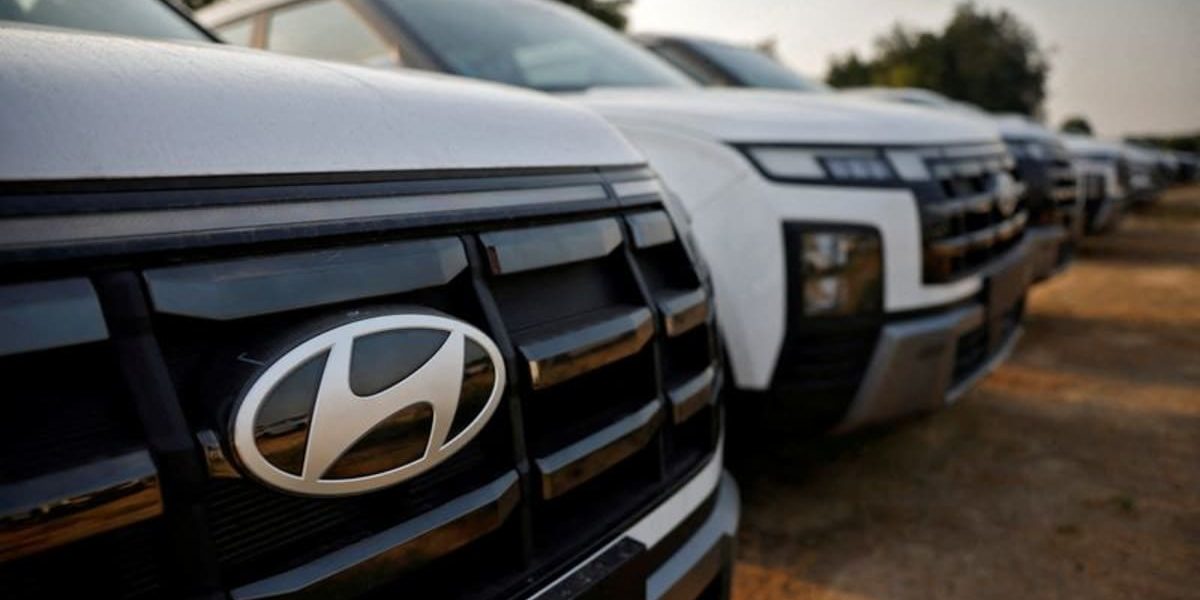
Hyundai Motor’s labour union has called a three-day strike, starting Monday, after wage negotiations with management collapsed. Workers at South Korea’s largest automaker will be on a partial walkout for four hours a day until Wednesday.
The walkout is a response to the stalemate in wage negotiations between the labour union and Hyundai’s management. For months, the two sides have been trying to reach an agreement on wages, but a deal seems elusive.
Roughly 25,000 workers will participate in the walkout, which will likely disrupt production at the company’s assembly lines. The union is seeking a higher wage increase than what the management is willing to offer, sparking tensions between the two sides.
Impact on Hyundai Motor
The strike is expected to cause production losses for Hyundai Motor, which is already under pressure to meet global demand. The company has been expanding its presence in key markets like the US and China, and any disruption to production can have significant financial implications.
Hyundai’s management has expressed its willingness to negotiate further, but the two sides remain far apart. The strike has brought attention to the issues faced by workers in South Korea’s manufacturing sector, which is known for its long working hours and relatively low wages.
What this means for workers
The strike highlights the ongoing struggles of workers in South Korea’s manufacturing sector. The union’s demands for a higher wage increase reflect the growing pressure on workers to keep pace with the country’s fast-growing economy.
The strike also underscores the need for more flexible and responsive labour laws in South Korea. While the country’s economy has made significant strides in recent years, its labour laws lag behind other developed economies in terms of flexibility and worker protections.
The outcome of the strike will be closely watched by workers and unions across South Korea, as it could have significant implications for the country’s labour market and economic growth. The Hyundai Motor strike serves as a reminder of the ongoing power dynamics between workers, management, and the government in shaping the country’s economic future.