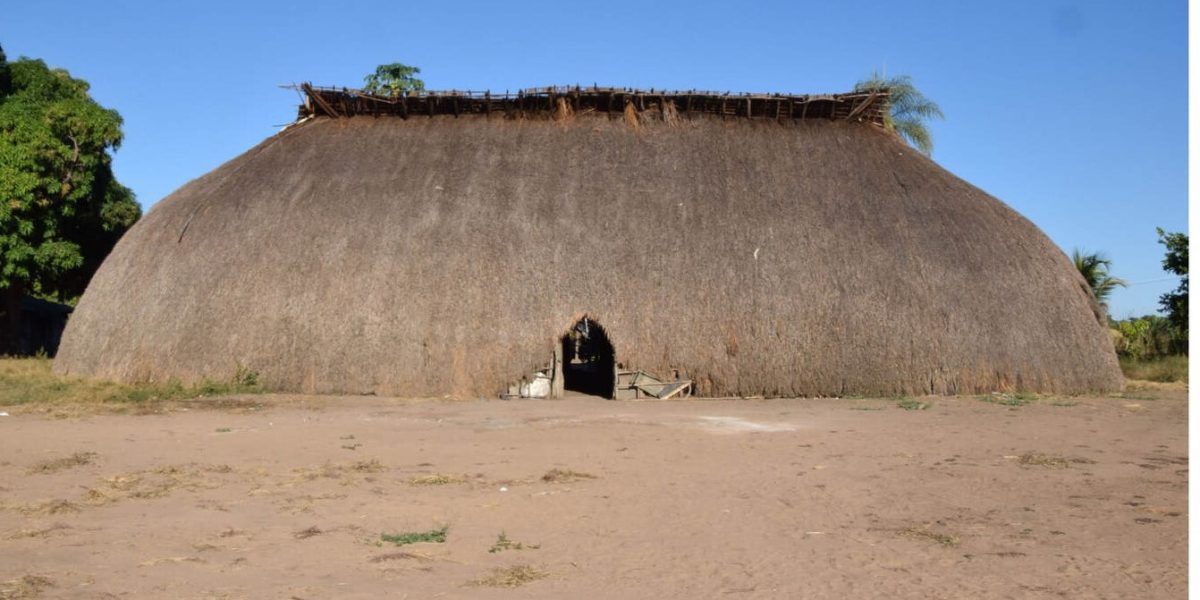
**Researchers Explore AI in Indigenous Architecture, Challenging Western Norms**
A fascinating project at the Escola da Cidade e Povo Kamayurá is using AI to study the ancient architecture of Latin America’s indigenous peoples, reframing how we think about design, culture, and technology.
The research team, led by Camilla Ghisleni, is harnessing AI to analyze the intricate knowledge systems of these communities, who built structures that not only withstood harsh environmental conditions but also embodied their spiritual and cultural practices. By doing so, the project is helping to shift the focus from Western notions of ‘sustainable architecture’ to a more nuanced understanding of how indigenous peoples have always been in harmony with their environment.
**Indigenous Knowledge Systems Meet Modern Technology**
The team is using AI-powered tools to decode the symbolic language embedded in these ancient structures, revealing complex knowledge systems that have been overlooked for centuries. By examining the intricate patterns, shapes, and materials used in these buildings, researchers are gaining insights into the cultural, spiritual, and environmental values of these communities.
For example, the Kamayurá people’s use of specific plants and materials in their architecture is not just a practical choice, but a way of communicating with their ancestors and the natural world. By analyzing these patterns using AI, researchers can better understand the relationships between indigenous cultures and their environments.
**What this means**
This project highlights the importance of collaborating with indigenous communities to develop more inclusive and sustainable design practices. By recognizing the value of their knowledge systems and incorporating them into modern architecture, we can create buildings that not only reduce our environmental impact but also promote cultural understanding and exchange.
The Escola da Cidade e Povo Kamayurá’s research has significant implications for the field of architecture, encouraging a more holistic approach that considers the cultural, spiritual, and environmental dimensions of design. As we continue to develop new technologies, it’s essential that we prioritize collaboration, respect, and reciprocity with indigenous communities.