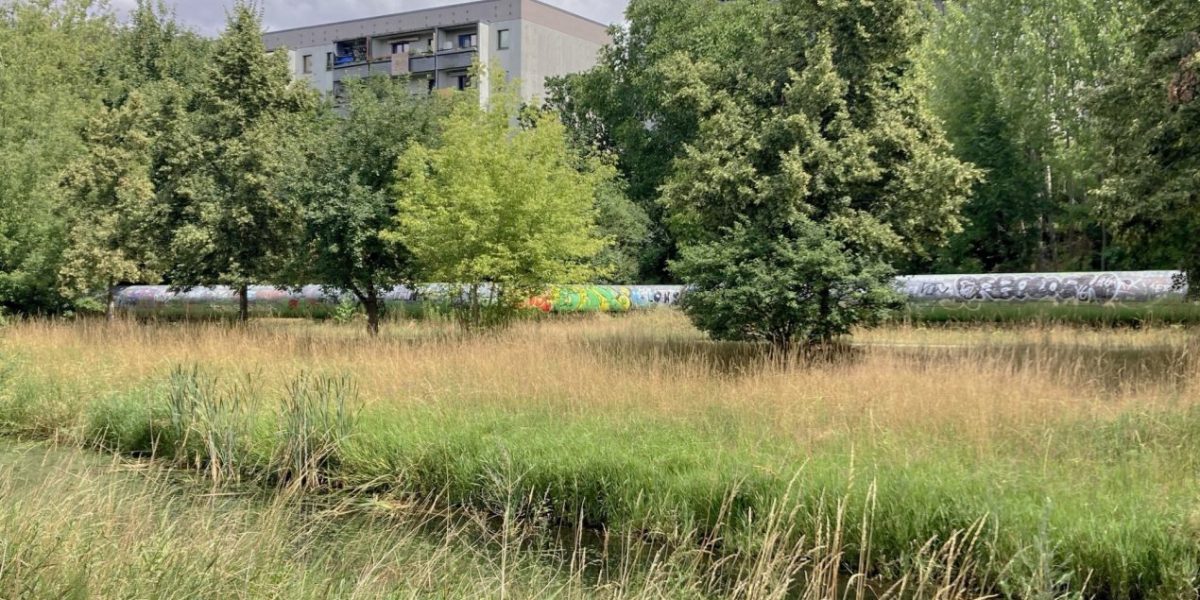
Mass housing estates in Berlin and across Europe have long been viewed through a narrow lens, with architects and designers focusing on the structural integrity and design aesthetic of these developments.
The majority of discussions surrounding these estates have centered around the physical buildings themselves, with little attention paid to the broader landscape and surroundings.
The Forgotten Landscape
However, a new perspective is emerging, one that considers the estates as part of a larger ecological and social system. This shift in focus is led by researchers like Dr. Anna Minton, who argue that the built environment is intricately tied to the natural world.
Mass housing estates, once seen solely as urban planning experiments or architectural exercises, are now being viewed as ecosystems that can either enhance or degrade the surrounding natural landscape.
Landscape as a Tool for Social Change
According to Dr. Anna Minton, 80% of Berlin’s residents live in apartment buildings, with 70% of these residents located in high-density areas. The landscape surrounding these estates plays a crucial role in shaping the lives of its inhabitants.
By examining the landscape as an integral part of the housing estate, architects and planners can create more sustainable, equitable, and resilient communities. This approach prioritizes green spaces, parks, and public amenities that foster social connections and community engagement.
Shifting the View
The traditional focus on architectural design is not entirely misplaced, but it is only half the story. By considering the estate as a whole system, including its landscape, inhabitants can benefit from improved air quality, increased opportunities for recreation, and enhanced overall well-being.
What this means is that urban planners and developers must adopt a more holistic approach to designing and managing mass housing estates. They must consider the complex interplay between the built environment and the natural world.
This shift in perspective has far-reaching implications for cities and towns across Europe, and beyond. By rethinking the relationship between housing estates and their surroundings, we may create more vibrant, inclusive, and sustainable communities for everyone.