The Indonesian government is taking a lead role in integrating the global halal economy, with President Joko Widodo recently assuming the chairmanship of the D-8 Organization for Economic Cooperation, a grouping of eight developing countries.
Halal market expansion outpaces ecosystem development
Despite a 10% annual growth rate in global demand for halal products, the industry remains fragmented, with disjointed supply chains and inconsistent certification processes. The D-8 chairmanship, which rotates every two years, provides Indonesia with an opportunity to drive cooperation and standardization across the halal economy.
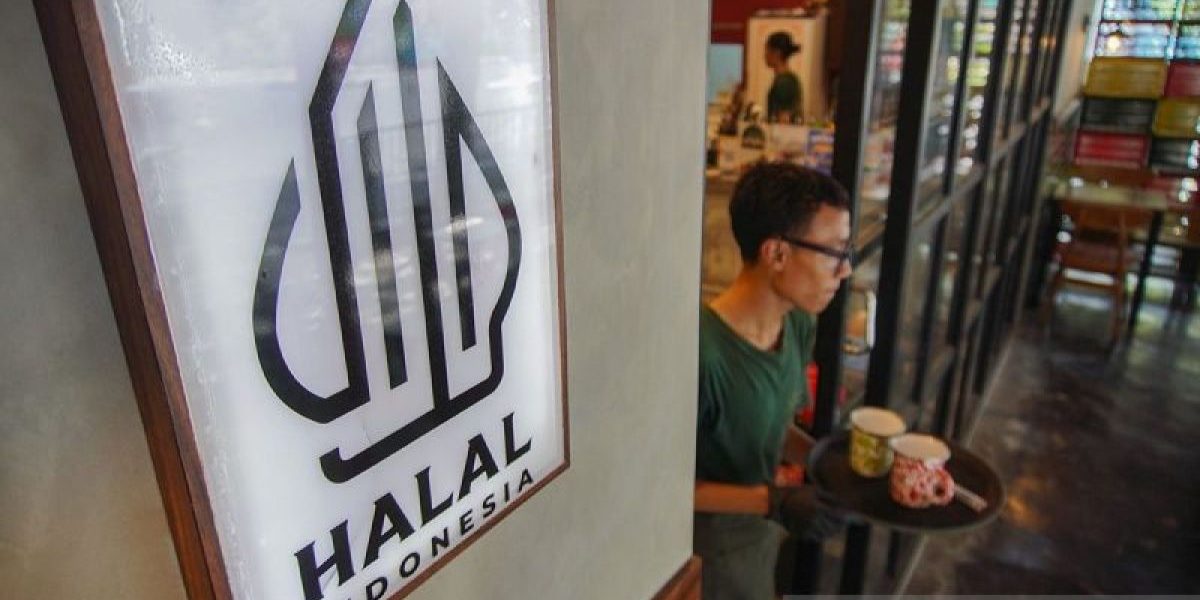
The Indonesian government, under the leadership of President Joko Widodo, is well-positioned to address the fragmentation in the halal ecosystem. As the world’s largest Muslim-majority country, Indonesia is a significant player in the global halal market, with a vast network of halal-certified businesses and a well-developed halal infrastructure.
What this means
The integration of the global halal economy under Indonesia’s chairmanship of the D-8 Organization has significant implications for businesses and investors operating in the halal industry. A more streamlined certification process, for instance, could reduce costs and increase efficiency for halal manufacturers and exporters. Additionally, the standardization of halal practices could enhance consumer trust and confidence in halal products.
Indonesia’s D-8 chairmanship also presents opportunities for innovation and investment in the halal sector. With the country’s experience in developing halal infrastructure and standards, it is poised to become a hub for halal business and investment. As the global demand for halal products continues to grow, Indonesia’s leadership in the D-8 Organization is likely to drive the development of a more integrated and efficient halal economy.
Next steps for the halal economy
The Indonesian government’s agenda for the D-8 chairmanship includes several initiatives aimed at promoting the integration of the global halal economy. These include the establishment of a D-8 halal standardization body, which would oversee the development of harmonized halal standards across member countries, and the creation of a D-8 halal trade facilitation mechanism, which would streamline halal certification and trade processes.
The successful implementation of these initiatives will require close cooperation among D-8 member countries, as well as engagement with key stakeholders in the halal industry, including manufacturers, traders, and certification bodies. With Indonesia’s leadership and expertise, the D-8 Organization is well-positioned to drive the development of a more integrated and efficient halal economy, benefiting businesses and consumers alike.