Amitabh Pandya, an expert in computer science, isn’t the only one thinking about the simulation theory – Rizwan Virk, a computer scientist from MIT, has an interesting take on it. He believes this idea could actually strengthen Christianity.
Simulation Theory Meets Theology
The simulation theory suggests we’re living in a computer-generated reality created by a more advanced civilization. This raises questions about the nature of our existence and whether there’s a creator or higher power at play. Virk sees a potential link between this theory and Christianity’s concept of an all-powerful God.
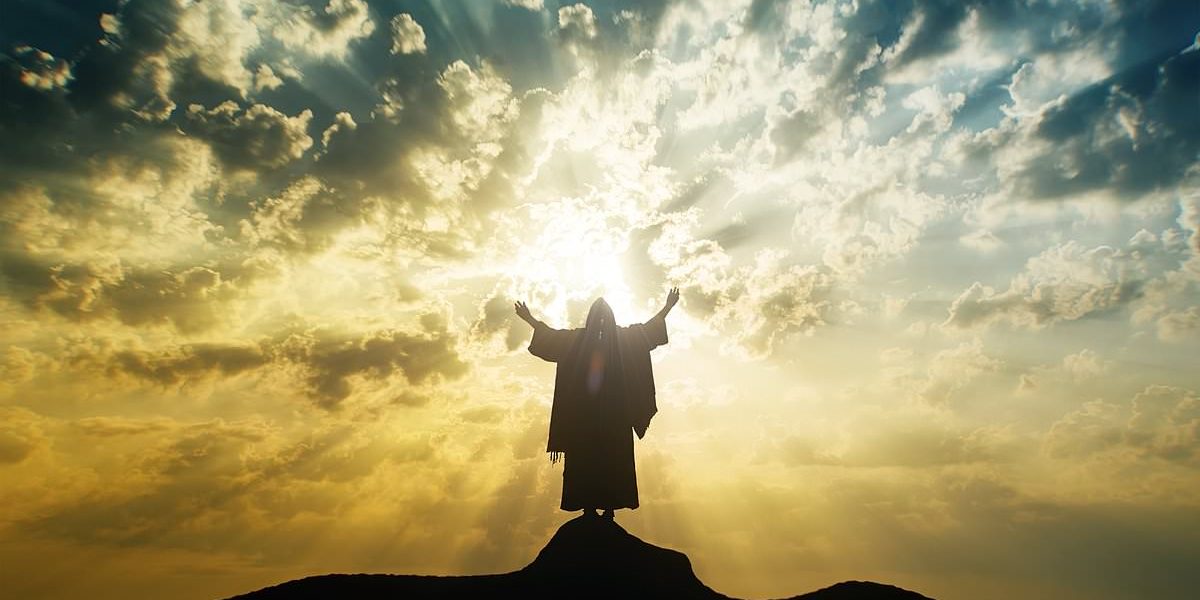
According to Virk, the simulation theory’s notion of a simulated reality being designed by a more advanced civilization bears some resemblance to the Christian idea of a creator God who designed the world we live in. If we assume that our reality is, in fact, a simulation, then it follows that there’s a designer or creator behind it.
The Bible and the Simulation Theory
Virk draws parallels between the Bible’s Genesis story and the simulation theory. Both describe a world created by a supreme being. In the biblical account, God creates the world in six days and rests on the seventh, while the simulation theory suggests a more advanced civilization created our reality.
This connection isn’t without its challenges, however. For one, the Bible emphasizes the idea of a physical creation, whereas the simulation theory posits a digital or virtual reality. Additionally, the simulation theory doesn’t necessarily imply a benevolent or omniscient creator, which are key attributes of the Christian God.
What This Means
While the idea of a simulated reality challenging traditional notions of existence is intriguing, the connection to Christianity adds a new layer of complexity. Virk’s theory highlights the possibilities of exploring the intersection of science and theology, but it’s essential to acknowledge the differences between the two frameworks. Nonetheless, this idea prompts interesting questions about the nature of reality and our place in it.