**Modern Decor May Be Draining Your Mental Energy**
Researchers are sounding the alarm on modern building design, suggesting it may be overloading our brains’ visual processing system, leading to a host of symptoms like headaches, nausea, and physical distress.
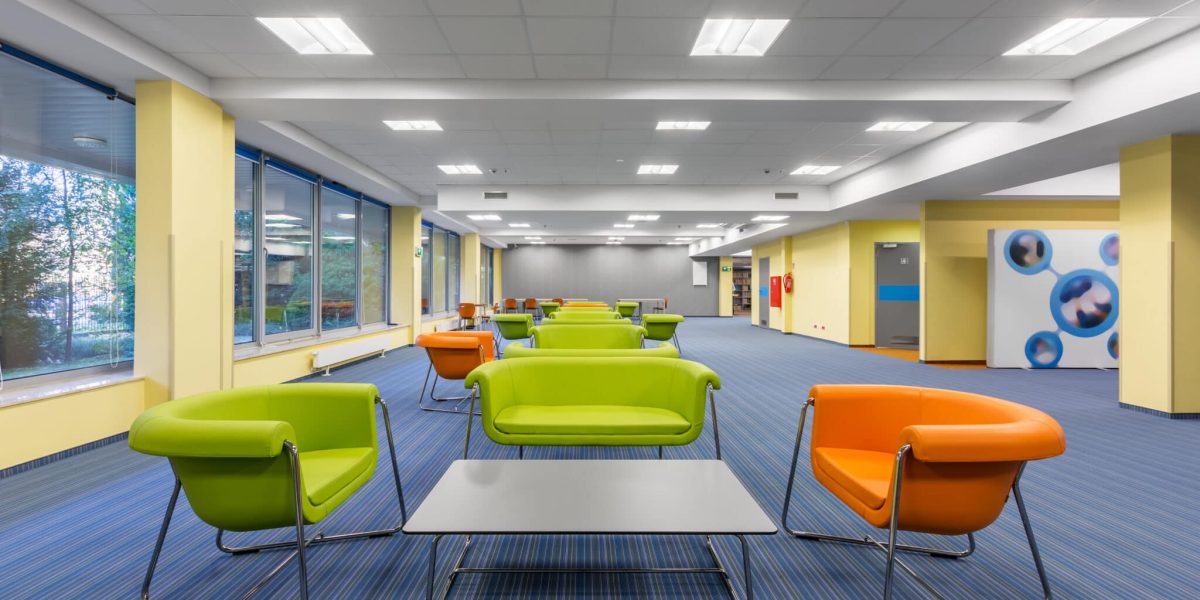
A study published recently points to the increasing use of LED lighting, repetitive patterns, and bright, bold colors in modern buildings as potential culprits behind this issue. These visual stimuli can be particularly problematic for people who spend long hours in offices or other indoor spaces.
The study’s lead author, Dr. Emily Chen, a cognitive neuroscientist at Harvard University, explains that our brains are wired to respond to subtle changes in their environment.
When exposed to the artificial, high-contrast visual environment of modern buildings, our brains must work overtime to process this information. This increased energy expenditure can leave people feeling drained, irritable, and even physically unwell.
What’s more, the study suggests that this issue may affect a significant portion of the population. According to estimates, up to 60% of office workers experience some form of visual discomfort or eye strain due to their work environment.
So, what can be done to mitigate this problem? Dr. Chen recommends incorporating more natural elements into building design, such as plants and large windows, to reduce the visual stimulation. Employers can also take steps to create more comfortable workspaces, such as adjusting lighting levels and color schemes.
Designing a Healthier Work Environment
In terms of practical application, the study’s findings highlight the importance of prioritizing employee well-being in office design. By making intentional design choices, employers can create a healthier, more productive work environment that supports the physical and mental health of their staff.
A Shift in Design Priorities
As the study’s findings gain traction, there may be a shift in the way we design modern buildings and spaces. Dr. Chen’s research suggests that, rather than prioritizing sleek, modern aesthetics, we should be focusing on creating spaces that are conducive to human health and well-being.
Ultimately, this study serves as a reminder that the spaces we inhabit have a profound impact on our physical and mental health.