A price hike in the entertainment industry is making staying in a less cost-effective choice
Alyx Green, an Illinois graduate student, has been a die-hard gamer for decades. She’s spent countless hours exploring virtual worlds, conquering digital foes, and uncovering hidden secrets. However, in recent years, Green has been forced to rethink her gaming habits due to skyrocketing costs.
Prices Soar
Over the past five years, the price of video games has increased by 25% on average. This ‘funflation’ is hitting gamers hard, especially those with limited budgets. A $60 game is no longer a one-time expense; it’s often part of a larger ecosystem of DLCs (downloadable content), season passes, and microtransactions.
The Rise of Subscription Services
The shift to subscription-based models is another factor contributing to funflation. Services like Xbox Game Pass and PlayStation Now have popularized the idea of paying a monthly fee for access to a vast library of games. While this can be convenient, it’s not always cost-effective. Green notes, “I’m paying $10 per month for access to a selection of games, but I still have to buy the more expensive titles I really want to play.”
What this means
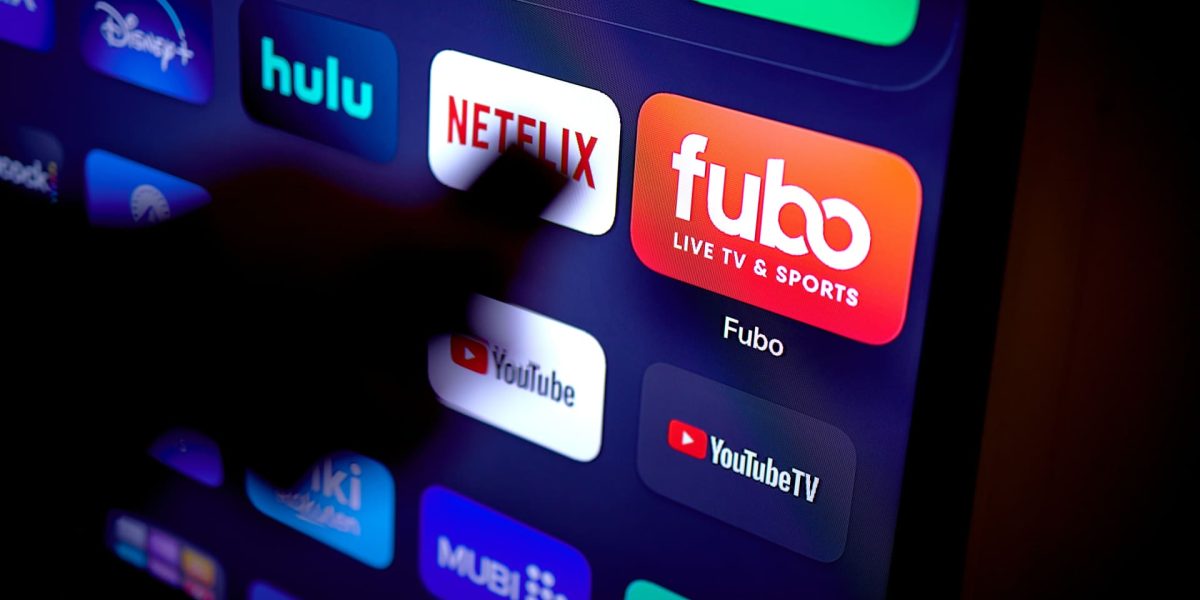
For many, the joy of gaming or streaming has become less accessible due to rising costs. Alyx Green is not alone in feeling priced out of her favorite hobbies. As prices continue to climb, people are being forced to make tough choices between their entertainment expenses and other essential costs. The ‘funflation’ phenomenon highlights the need for more affordable and flexible options in the entertainment industry.