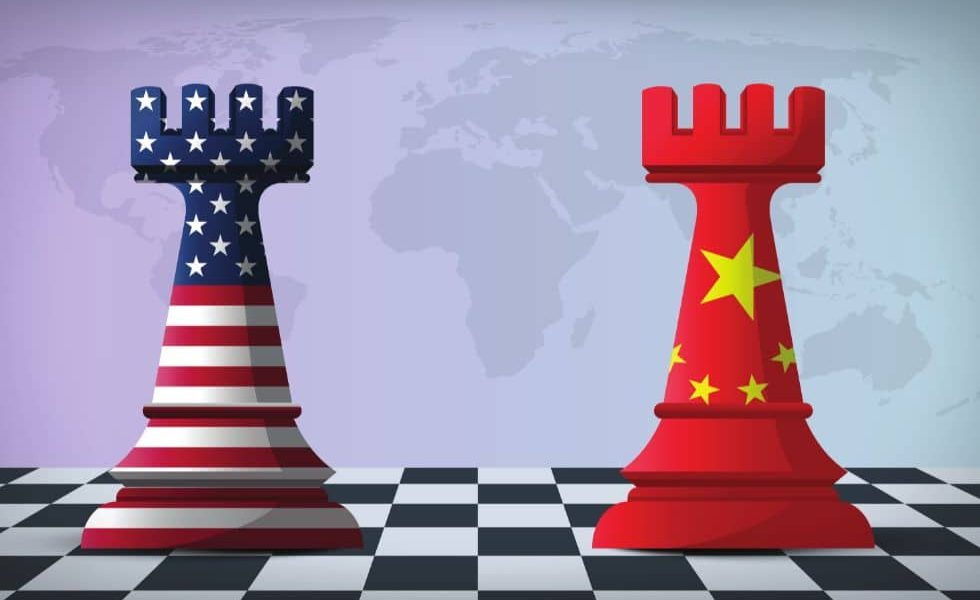
**500 Years of Global Power: The West’s Long-Delayed Decline and China’s Rise**
For the past five centuries, Western nations have dominated the global stage, but the tide is finally turning. A new era of Chinese supremacy is emerging, leaving many to wonder: how long has the West been on top and what caused its decline?
The notion that Western dominance is a relatively recent phenomenon is often met with surprise. However, a closer examination of history reveals that Western influence has been on the rise since at least the 16th century, when European powers like Spain and Portugal began establishing colonies around the world.
From Colonialism to Technological Supremacy
Over the next few centuries, Western powers continued to expand their reach, exploiting natural resources and imposing their cultures on colonized regions. The Industrial Revolution marked another significant turning point, as Western nations harnessed technological advancements to fuel their economic growth and military strength. By the 20th century, Western nations like the United States and the United Kingdom had emerged as global superpowers, commanding significant economic and military might.
The Rise of China: A New Era of Supremacy
China’s ascent to global dominance, however, is a more recent phenomenon. The country’s economic reforms in the 1980s and 1990s, led by **Deng Xiaoping**, set the stage for China’s rapid industrialization and growth. Today, China is the world’s second-largest economy, and its technological prowess is increasingly rivaling that of the West. Chinese companies like Huawei and Tencent are making significant strides in AI, 5G, and other key areas.
**What this means**: The shift in global power from the West to the East has significant implications for businesses, governments, and individuals. As China continues to rise, Western nations will need to adapt to a new landscape of technological and economic competition. Understanding the historical context of this shift can help inform strategic decision-making and prepare us for the challenges and opportunities of this new era.