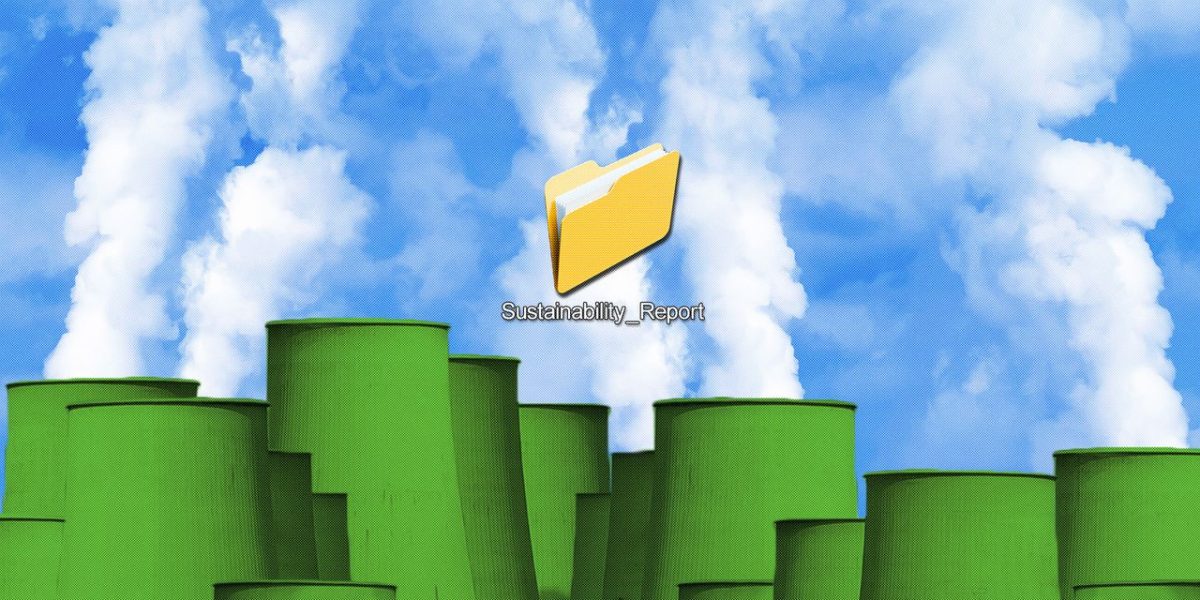
Microsoft’s Emissions Soar by 25 Percent
Microsoft’s greenhouse gas pollution increased by roughly 25 percent last year, the company says in its new sustainability report released Thursday. This comes as no surprise given the company’s rapid expansion of data centers worldwide, which are driving up its use of electricity—and carbon pollution.
Data Centers Consume Enormous Amounts of Energy
Microsoft’s data centers are hubs of computing power, storing and processing vast amounts of data for its cloud services like Azure and Office 365. These data centers require massive amounts of electricity to operate, with some estimates suggesting that a single data center can consume as much energy as a small town. With Microsoft expanding its data center operations globally, it’s no wonder that its greenhouse gas emissions have skyrocketed. It’s estimated that over 40 percent of Microsoft’s global electricity consumption now goes towards powering its data centers.
What this means for Microsoft and its customers
The 25 percent increase in Microsoft’s emissions is a stark reminder of the environmental impact of its business operations. As a leading tech company, Microsoft has a responsibility to minimize its carbon footprint and reduce its reliance on fossil fuels. In theory, this could be achieved through the adoption of cleaner energy sources, more efficient data center designs, or even innovative solutions like carbon capture technology.
However, the reality is that Microsoft’s growth trajectory shows no signs of slowing down. With more customers shifting to cloud-based services, the demand for data storage and processing is only set to increase. Unless Microsoft can find ways to offset its emissions, it risks being left behind in the sustainability stakes. As a result, Microsoft customers can expect to see a growing emphasis on sustainability from the company in the coming years – and potentially, a price hike to offset the rising costs of powering its data centers.