CPN-UML Lawmaker Calls for Accountability After AI-Powered Facial Recognition Mishap
A fatal accident involving an AI-powered facial recognition system has sparked a heated debate in Nepal about the limits of government responsibility and the need for greater accountability.
On February 14, a 29-year-old man named Ganesh Nepali died after being mistakenly identified as a threat by a facial recognition system, which had been installed as part of a trial project in the country’s capital, KATHMANDU.
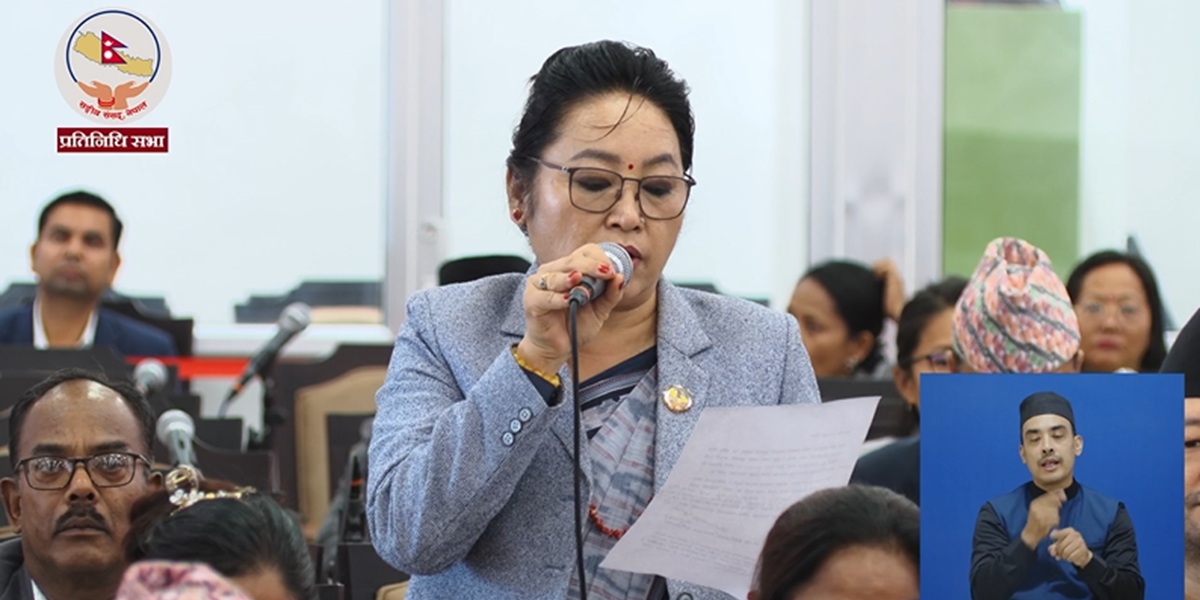
CPN-UML lawmaker Bhumika Limbu Subba has now spoken out against the government’s handling of the incident, saying they “must take responsibility” for the tragedy.
The system in question was developed by a private company called Ncell, which had partnered with the government to test the technology in a real-world setting.
A Question of State Accountability
The incident raises important questions about the role of the state in regulating the use of AI-powered surveillance systems. While such technologies can have many benefits, they also pose significant risks to individual liberty and safety.
In this case, the government’s decision to partner with a private company to test the facial recognition system without adequate safeguards or regulations has been widely criticized.
Subba’s comments suggest that the government is now beginning to take a closer look at the incident and the role it played in enabling the tragedy.
What This Means for You
This incident serves as a stark reminder of the potential risks and consequences of relying on AI-powered surveillance systems without proper oversight and regulation. As these technologies become increasingly widespread, it’s essential that governments and companies prioritize transparency, accountability, and human rights in their development and deployment.