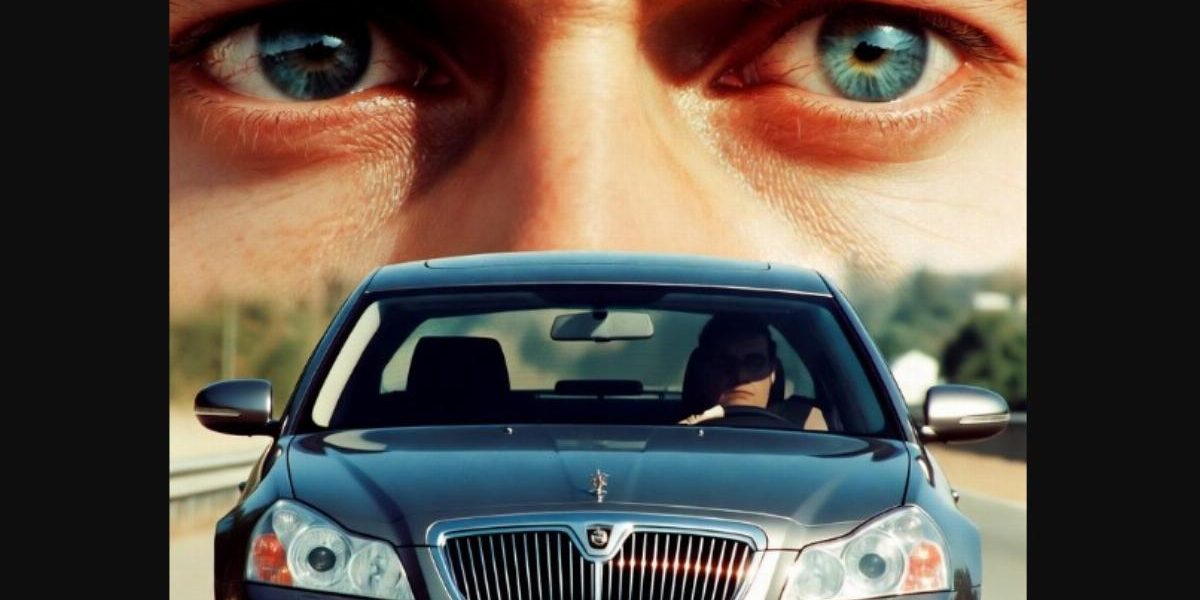
European Union authorities have quietly rolled out a raft of AI-powered safety features for vehicles, as of July 7th. This marks a significant shift in the way drivers interact with their cars, blurring the lines between human intuition and machine oversight.
Advanced Vision Systems
The EU’s new safety regulations demand that all passenger vehicles feature advanced vision systems. These systems use AI to continuously scan the road ahead, monitoring for potential hazards like pedestrians, bicycles, and other cars. This data is then fed back to the driver, alerting them to potential risks.
The systems, which rely on a combination of cameras, radar, and lidar sensors, are touted as “life-saving” tools. They can detect even the smallest anomalies on the road, including pedestrians stepping off the curb or vehicles drifting into an adjacent lane. However, critics argue that this level of surveillance raises serious concerns about driver autonomy and data privacy.
What this means
For drivers, this means that they will have to adapt to a more hands-on approach to their vehicle’s advanced safety features. The AI systems will make recommendations, but ultimately, it’s still up to the driver to stay engaged and take control of the wheel.
Regulatory Oversight
The EU’s new regulations will be overseen by a complex network of AI auditors, tasked with ensuring that the safety features are functioning as intended. But as AI systems become increasingly sophisticated, questions about accountability and liability will only grow more pressing.
As the EU continues to push the boundaries of AI in transportation, it’s essential to consider the broader implications of these technologies. By shifting the focus from human intuition to machine oversight, we risk losing the very essence of driving: the thrill of the open road, the rush of adrenaline, and the simple joy of being behind the wheel.