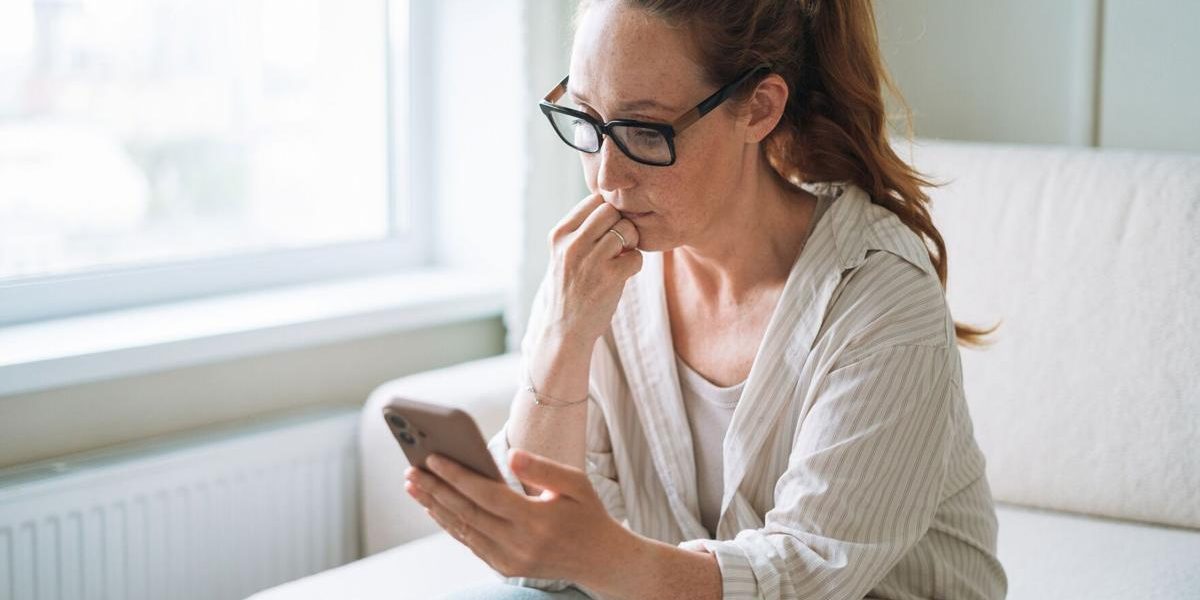
If you’ve ever frantically searched for medical answers on social media, you’re not alone. Many of us do it, often seeking reassurance or a quick diagnosis for that mysterious rash or bug bite. But a doctor is sounding the alarm on the dangers of relying on social media and AI for health decisions.
Dr. **Elizabeth** **Higgins**, a family medicine physician, warns that this approach can be misleading and even deadly. She points out that social media platforms are often filled with unverified sources, biased advice, and even outright misinformation. “When people are searching for health information online, they’re not getting the truth,” she says.
Dr. Higgins cites a recent study that found over 50% of online health content is incorrect or outdated. “This can lead to misdiagnosis, delayed treatment, and even unnecessary hospitalizations,” she explains. And it’s not just the quality of the information that’s the problem – it’s also the fact that AI-driven algorithms are often used to spread it.
The algorithms that amplify misinformation
AI-powered social media algorithms can create a toxic feedback loop, where misinformation is amplified and spread to even more people. “These algorithms are designed to keep us engaged, but they’re not designed to provide accurate information,” Dr. Higgins notes. As a result, people may be more likely to see and share false or misleading health advice.
What this means: Be cautious when seeking health advice online, and don’t rely solely on social media. If you’re unsure about a medical issue, consult a trusted healthcare professional instead.
The consequences of relying on social media for health decisions
The consequences of relying on social media and AI for health decisions can be severe. Dr. Higgins points out that some people may delay seeking medical treatment, or even forgo it altogether, due to misinformation they’ve seen online. This can lead to serious health consequences, including worsening conditions and even death.
Dr. Higgins urges people to take a more critical approach to health information online. “Don’t believe everything you see or read – especially if it sounds too good (or bad) to be true,” she advises. By being more mindful of the sources we trust and the information we consume, we can make safer, more informed decisions about our health.