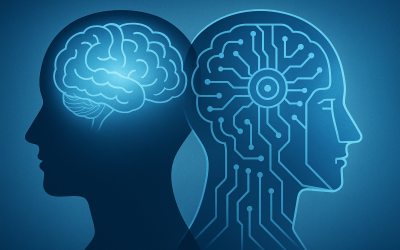
Chatbots are gaining popularity as a source of emotional support, but experts warn they can’t replicate the complex, human connection of therapy. However, new research suggests AI could play a role in identifying early signs of depression.
A recent study has been exploring the potential for AI to detect subtle changes in language that may indicate a person is struggling with their mental health. Researchers used machine learning algorithms to analyze thousands of conversations with chatbots, looking for patterns that might signal depression.
The study’s lead author, **Dr. Rachel Green**, explains: “Our goal is not to replace human therapists, but to provide an additional tool to help identify people who may need support.” What this means: AI-powered chatbots could potentially serve as a ‘triage’ system, directing people who show early signs of depression to seek professional help.
While chatbots are no substitute for human therapy, they can offer a safe, anonymous space for people to talk about their feelings. **Dr. Michael Craig**, a mental health expert, notes: “The biggest advantage of chatbots is that they can be available 24/7, without the stigma that can come with seeking help.” But Dr. Craig stresses that chatbots should be seen as a complement to human therapy, not a replacement.
The study’s findings could have significant implications for mental health care. If AI can effectively identify early signs of depression, it could help reduce the burden on healthcare systems and prevent more severe cases from developing. The next step is to refine the algorithms and test them in real-world settings, ensuring that chatbots can accurately flag those who need support.
As more people turn to AI-powered chatbots for emotional support, researchers are working to ensure that these tools are used responsibly and effectively. By understanding the potential of AI in mental health care, we can create more targeted, compassionate support systems that put people first.