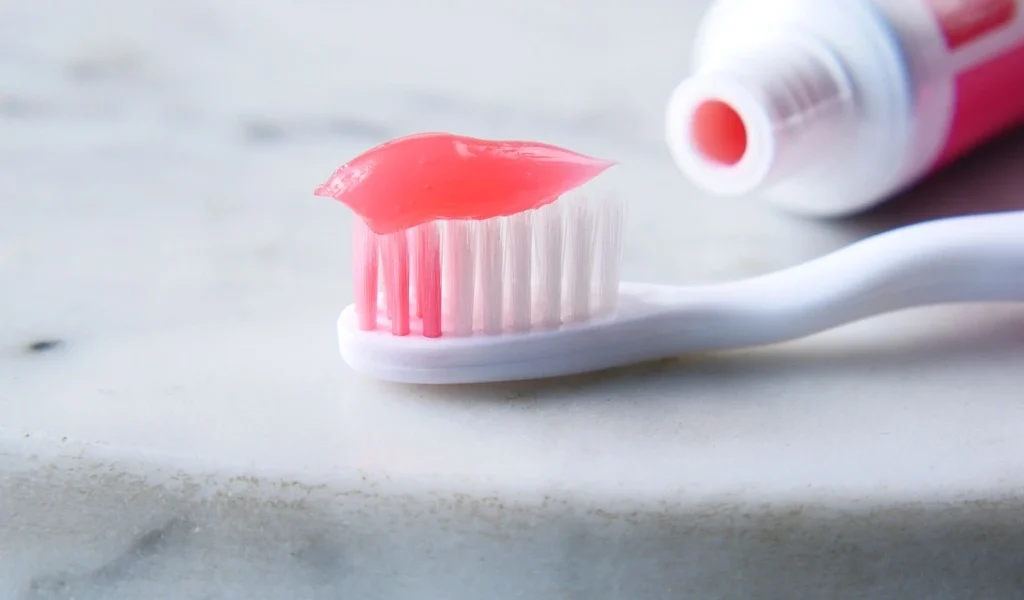
**AI-Powered Toothpaste Alternatives Emerge Amid Oral Health Debate**
AI has been quietly changing the game when it comes to oral health, with innovations in toothbrush design and technique. However, a new development has caught everyone’s attention – dry brushing teeth. The concept is simple: no toothpaste, just a dry toothbrush.
**What is Dry Brushing Teeth?**
Proponents of dry brushing claim it’s an effective way to remove plaque and bacteria, promoting healthy gums and teeth. The technique involves gently brushing teeth in circular motions without any toothpaste. The idea is that this helps loosen and remove plaque, but some experts argue it’s not enough.
**The Science Behind Dry Brushing**
Research suggests that dry brushing can work in conjunction with fluoride toothpaste, but it’s not a replacement. For instance, a study published in the Journal of Periodontology found that dry brushing reduced plaque by 35% when combined with fluoride toothpaste. However, when used alone, the results were less impressive – a mere 17% reduction in plaque.
**The Risks of Dry Brushing**
While dry brushing might seem harmless, some experts warn that it can cause more harm than good. Overly aggressive brushing can damage gums, leading to inflammation and even recession. Additionally, dry brushing may not remove existing stains or plaque, potentially masking underlying oral health issues.
**Oral Health Facts: What You Need to Know**
To put things into perspective, here are some key oral health facts:
* 80% of Americans experience some form of tooth decay in their lifetime.
* 50% of children will have cavities by the age of 5, according to the CDC.
* Fluoride toothpaste has been proven to reduce tooth decay by up to 60%.
**What This Means**
While dry brushing may offer some benefits, it’s crucial to maintain a balanced oral health routine. The key is to use fluoride toothpaste and brush with a soft-bristled toothbrush in conjunction with regular flossing and dental check-ups. The debate surrounding dry brushing will likely continue, but for now, stick with the tried-and-true methods that have been proven to work. Remember, oral health is a long-term investment – don’t compromise on quality for the sake of a trendy alternative.